
Skiing remains one of the most physically demanding winter pastimes, frequently masking its intense physiological toll beneath the deceptive comfort of a downhill descent. While gravity handles the downward momentum, the human body must absorb massive kinetic forces, stabilize erratic terrain shifts, and execute explosive muscular contractions at high speeds. Elite winter athletes and casual weekend warriors alike discover that carving down pristine corduroy or charging through challenging back bowls requires more than casual cardiovascular health. It demands a specialized physical reserve known as power endurance.
Recognizing this critical athletic requirement, renowned high-performance coach Chris Miller has released a comprehensive pre-season training blueprint designed to prepare skiers for the rigors of the mountain. Drawing on years of experience training top-tier ski racers, Miller emphasizes that true ski fitness transcends basic leg strength. Preparing the body for the unique, repetitive demands of winter sports requires targeted movements that build muscular stamina under profound fatigue.
The Physiological Demands of Alpine Skiing
To understand the necessity of specialized pre-season training, one must examine the physiological cost of a day on the slopes. Alpine skiing is an intermittent, high-intensity sport characterized by sustained isometric muscle contractions interspersed with explosive dynamic movements. As a skier navigates turns, moguls, and steep pitches, the quadriceps, hamstrings, glutes, and core muscles work continuously to maintain edge control, absorb shock, and generate speed.
During a typical top-to-bottom run lasting anywhere from two to five minutes, a skier’s legs experience high levels of lactate accumulation and localized muscular hypoxia. When multiplied across a full day of skiing—often resulting in tens of thousands of vertical feet descended—the cumulative fatigue is immense.
Power endurance bridges the gap between raw strength and cardiovascular stamina. It represents the body’s capacity to sustain high-intensity muscular contractions repeatedly over an extended period without a catastrophic drop in performance. Without adequate power endurance, fatigue sets in rapidly. This decline manifests as sloppy technique, diminished reaction times, poor balance, and a significantly elevated risk of traumatic and overuse injuries, particularly to the knees and lower back. By implementing structured pre-season conditioning routines focused on plyometrics, dynamic stability, and functional interval work, skiers can safeguard their joints, maintain flawless form from the first chair to the last, and ensure a safer, more productive season.
The Evolution of Modern Ski Conditioning
The approach to ski preparation has evolved significantly over the past several decades. Historically, pre-season training for winter sports was an ad-hoc affair, largely restricted to casual jogging, generic weightlifting, or the misguided belief that simply skiing into shape during the first few weeks of winter was sufficient.
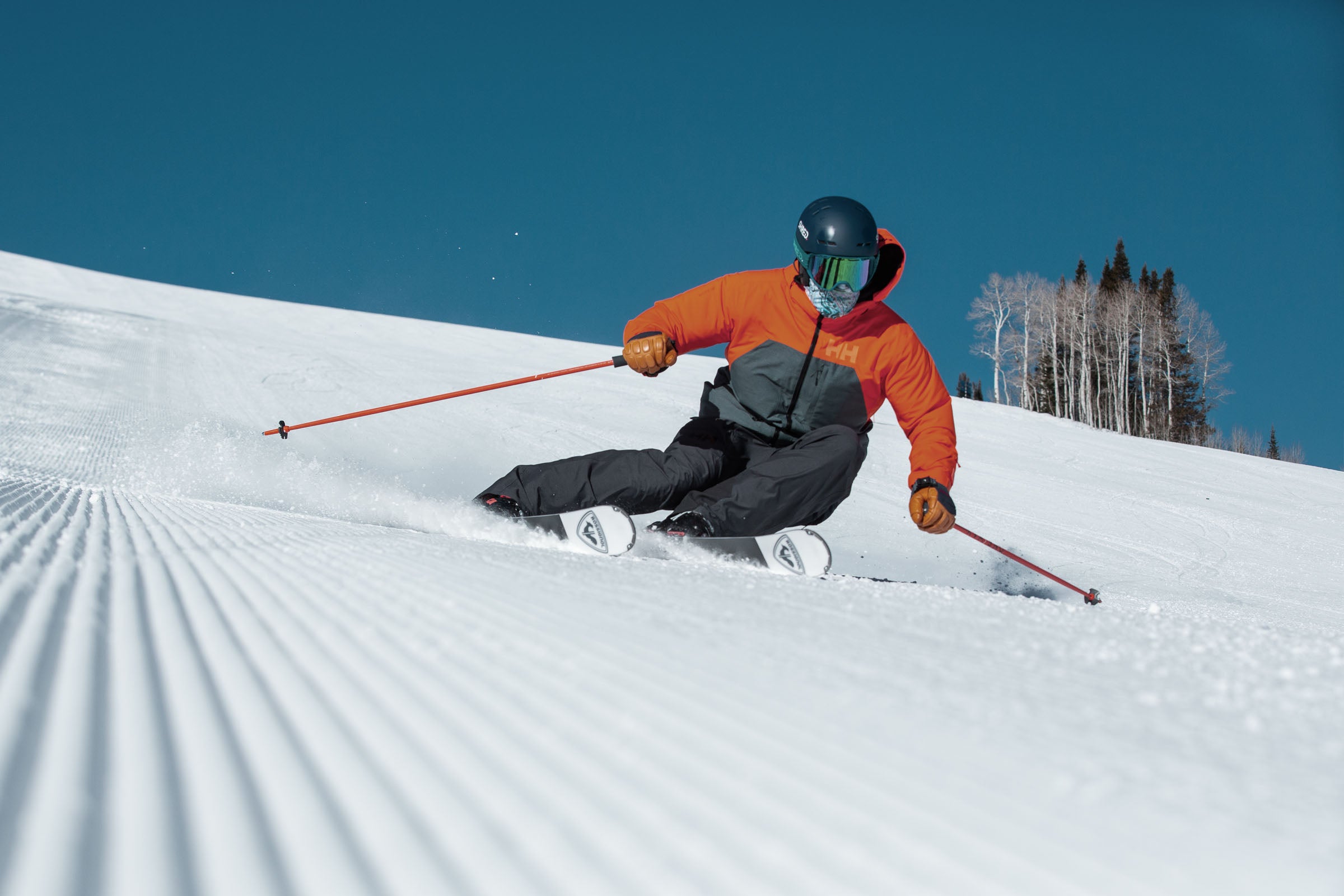
As alpine racing grew faster and equipment technology advanced—ushering in the era of deep-sidecut carving skis and extreme terrain accessibility—the physical toll on the human body scaled upward. Sports scientists and conditioning coaches began analyzing the exact biomechanical profiles of elite skiers. Research published by international winter sports federations in the early 2000s highlighted that eccentric muscle strength—the ability to control a muscle as it lengthens while under tension, such as absorbing the G-forces at the bottom of a carved turn—was paramount.
By the 2010s, mainstream coaching paradigms shifted toward functional movement patterns, core stabilization, and neuromuscular control. Modern ski fitness programs no longer prioritize isolated machine-based exercises; instead, they focus on multi-planar movements, plyometrics, and complex circuits that mimic the unpredictable, high-load environments of a real mountain descent. Coach Chris Miller’s latest training framework represents the culmination of this evolution, translating elite laboratory data and race-day methodologies into accessible, actionable routines for everyday skiers.
Anatomy of the Power Endurance Routine
To achieve peak physical preparedness before the lifts start spinning, athletes must follow a disciplined, progressive training schedule. The comprehensive pre-season workout designed by Miller is structured around three core phases: a dynamic cardio warm-up and quadruped series, a lower-body power circuit utilizing sandbag mechanics and skater hops, and an anti-movement trunk stability circuit featuring classic movements like dead bugs.
Cardio Warm-Up and Quadruped Mobility Series
Before engaging in high-intensity explosive movements, the body requires a thorough physiological transition to elevate core body temperature, increase synovial fluid in the joints, and prime the central nervous system. The warm-up phase focuses on dynamic mobility rather than static stretching.
The quadruped series lays the foundation for spinal alignment, shoulder stability, and hip mobility. Performing repetitions on each side of the body, athletes move through controlled ranges of motion that activate dormant gluteal muscles and correct postural imbalances acquired during sedentary desk work. This is followed by a targeted lunge series and a dynamic movement block designed to lubricate the hip sockets, stretch the thoracic spine, and awaken the proprioceptive pathways required for fast mountain reflexes.
Power Circuit No. 1: Lower-Body Explosiveness
The first primary circuit targets the powerhouse of the skier: the legs and hips. Skiing demands lateral stability and vertical force absorption, qualities developed through plyometric and loaded functional exercises.

One of the standout movements in this phase is the skater hop. Skater hops challenge the lateral stabilizers of the hips, knees, and ankles, closely replicating the lateral weight-transfer required when transitioning from edge to edge during a high-speed carved turn. By bounding dynamically from side to side and stabilizing upon landing, athletes train their neuromuscular system to absorb lateral impact efficiently.
Complementing the plyometric work is a rigorous sandbag series. Unlike rigid barbells, sandbags introduce an unstable, shifting load that forces the deep core and stabilizing muscles to engage continuously. Executing these exercises in sequence with zero rest between individual movements—followed by a brief 45-second recovery window between full sets—forces the cardiovascular system to clear lactate rapidly, directly simulating the oxygen debt experienced during a strenuous moguls run.
Power Circuit No. 2: Trunk Stability and Anti-Movement
While strong legs are essential, a weak core will cause a skier to collapse under the immense G-forces encountered on steep terrain. Power Circuit No. 2 focuses entirely on trunk integrity, utilizing an anti-movement philosophy.
Rather than traditional flexion exercises like sit-ups—which can place undue stress on the lumbar spine—the anti-movement protocol trains the core to resist undesirable forces, such as rotational twisting or hyperextension. A cornerstone of this circuit is the dead bug exercise. When performed with strict adherence to form—maintaining continuous lower back contact with the floor while moving opposite limbs—the dead bug fortifies the transverse abdominis and oblique muscles.
This deep abdominal bracing acts as a natural weightlifting belt, allowing skiers to transfer power efficiently from their lower body up through their upper body, maintaining an upright, athletic posture even when carving through heavy, variable snow conditions.
Expert Insights and Coaching Perspectives
Sports medicine professionals and high-performance trainers universally endorse structured pre-season preparation as the single most effective countermeasure against winter injuries. Dr. Elena Vance, a physical therapist specializing in alpine sports rehabilitation, notes a distinct correlation between pre-season conditioning and seasonal injury rates.
"When a skier experiences fatigue, their biomechanics degrade," Dr. Vance explains. "The quadriceps tire out, leading to an over-reliance on passive structures like the anterior cruciate ligament (ACL) and the meniscus. By building power endurance prior to the season, athletes ensure their muscles can maintain dynamic restraint over the joints, drastically reducing the incidence of season-ending knee injuries."

Coaches like Chris Miller echo this sentiment, emphasizing that time invested in the gym during the autumn months directly translates to more enjoyable, fatigue-free powder days in the dead of winter. "The mountains do not forgive poor preparation," Miller states in his training documentation. "If you want to ski bell-to-bell, keeping your technique sharp when your legs are burning, you have to train that specific threshold of fatigue before you ever step foot in a ski boot."
Broader Implications for Winter Sports Enthusiasts
The release of accessible, elite-level conditioning protocols highlights a broader democratization of sports science. Historically, advanced training methodologies were locked behind the paywalls of private ski academies and national team training centers. Today, digital video tutorials and structured regimens allow everyday recreational skiers to access the exact conditioning philosophies utilized by professional athletes.
As ski resorts face shorter, more unpredictable winter seasons due to shifting climate patterns, the nature of the ski experience is also evolving. When natural snow is scarce, resorts rely heavily on man-made snow, which tends to be denser, icier, and more physically punishing on the body. Navigating hard-packed artificial corduroy requires superior technical precision and muscular resilience compared to floating through deep, forgiving powder. Consequently, pre-season power endurance training has shifted from an optional recommendation to an absolute necessity for anyone looking to maximize their enjoyment on modern snow conditions.
Actionable Next Steps for Skiers
Preparing for the upcoming ski season requires commitment, consistency, and a gradual progressive overload. Athletes are encouraged to integrate these power endurance circuits into their weekly routines two to three times per week, allowing adequate recovery days in between sessions to facilitate muscle repair and neurological adaptation.
By combining cardiovascular conditioning, targeted lower-body plyometrics, dynamic mobility, and anti-movement core stability, skiers can transform their physical capabilities. As the first winter storms blanket the peaks and resorts spin their lifts for opening day, those who have committed to the process will find themselves carving cleaner lines, conquering steeper runs, and enjoying every descent with confidence, strength, and endurance.

