
The fitness industry has long sought efficient, low-impact, full-body conditioning alternatives that mimic outdoor endurance sports. While indoor rowing, cycling, and running have dominated urban fitness landscapes for decades, cross-country skiing has traditionally remained bound to snowy climates and natural topography. However, a growing fitness trend centered around specialized indoor ski simulators is bridging this gap, offering urban athletes the cardiovascular and muscular benefits of Nordic skiing without the need for snow. Among the pioneers of this movement is NRTHRN Strong, a Danish-born fitness concept that recently established its presence in the United States with a flagship studio in New York City’s Flatiron district.
The Physiology of Cross-Country Skiing
Sports scientists and exercise physiologists have long regarded cross-country skiing as one of the most comprehensive full-body workouts available. Unlike running or cycling, which primarily target the lower extremities, Nordic skiing requires the simultaneous coordination of the cardiovascular system, arms, legs, back, core, and stabilizing muscles.
According to comparative energy expenditure studies, moderate-intensity cross-country skiing burns between 400 and 700 calories per hour, depending on the individual’s body weight, terrain, and exertion level. Furthermore, biomechanical research indicates that alpine (downhill) skiing requires roughly two and a half hours of active descent to equal the caloric expenditure achieved in a single hour of cross-country skiing. Because the sport engages both upper and lower kinetic chains while requiring constant core engagement and dynamic balance, it has become a gold standard for endurance athletes seeking maximal muscular recruitment with minimal joint stress.
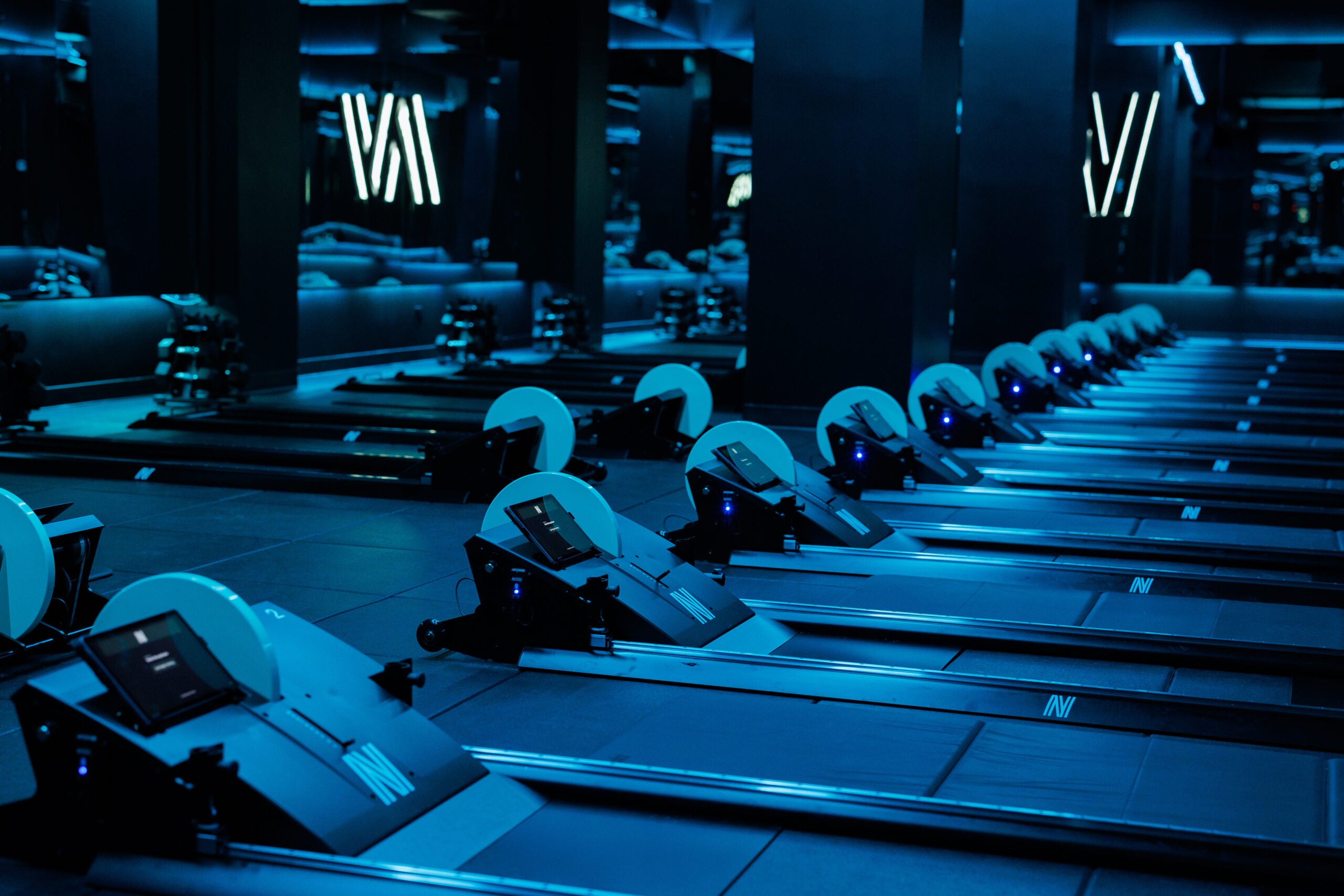
Despite these physiological advantages, accessibility has historically been the primary barrier to entry. Enthusiasts require sustained snowfall, specialized gear, and geographic proximity to groomed trails. To overcome these limitations, fitness innovators have engineered indoor alternatives that replicate the mechanics of cross-country locomotion in a compact, climate-controlled environment.
Engineering the Indoor Ski Experience: The NRTHRN Trainer
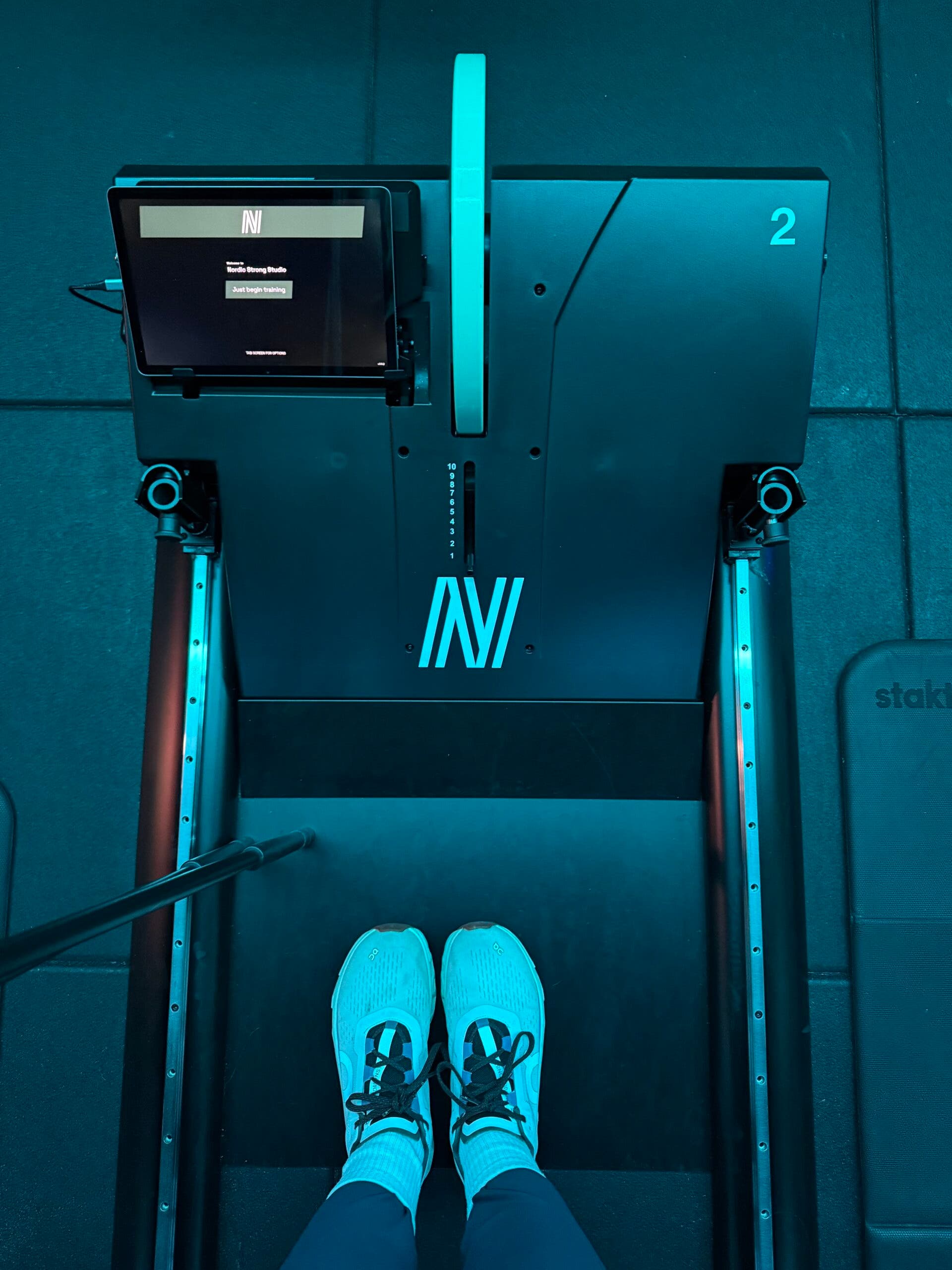
The technological backbone of the NRTHRN Strong workout is the proprietary NRTHRN Trainer, a specialized machine that merges the sliding mechanics of a Pilates reformer with the upper-body pull of a rowing ergometer. Designed to emulate the equipment used by professional Nordic athletes during off-season training, the device utilizes dual poles that insert into mechanical sockets on either side of a sliding platform.
At the front of each trainer, an integrated digital display provides real-time performance metrics. Users can monitor stroke rates, elapsed time, distance covered, and pace per 1,000 meters. This data-driven approach allows participants to self-regulate their intensity or follow specific target metrics called out by instructors during high-intensity interval training (HIIT) sessions.
The machine’s low-impact design places the user in control of the resistance and velocity, making the equipment adaptable to a wide range of fitness levels. The sliding mechanism reduces compressive forces on the knees, hips, and spine, rendering the workout suitable for populations ranging from high-performance endurance athletes to individuals with joint sensitivities or movement restrictions.
Chronology and Expansion into the New York Market
The introduction of specialized indoor ski training to the United States represents a calculated expansion by European fitness brands targeting metropolitan demographics with an appetite for novel, high-intensity workouts. NRTHRN Strong originally established its brand identity and operational model in Copenhagen, Denmark, where cross-country skiing carries deep cultural and athletic roots.
Following the success of its European operations, company leadership identified New York City as an ideal market for its North American debut. The selection of the Flatiron district—a dense commercial and residential hub known for its high concentration of boutique fitness studios—positioned the brand directly within a competitive ecosystem of specialized athletic concepts.
The New York studio officially opened its doors to the public, offering a weekly schedule of classes tailored to strength training, cardiovascular endurance, and muscular sculpting. Operating seven days a week, the facility features an immersive interior design inspired by the natural phenomenon of the Northern Lights, utilizing moody, ambient lighting to create a focused, high-energy environment for participants.
Inside the Studio: Structure and Methodology
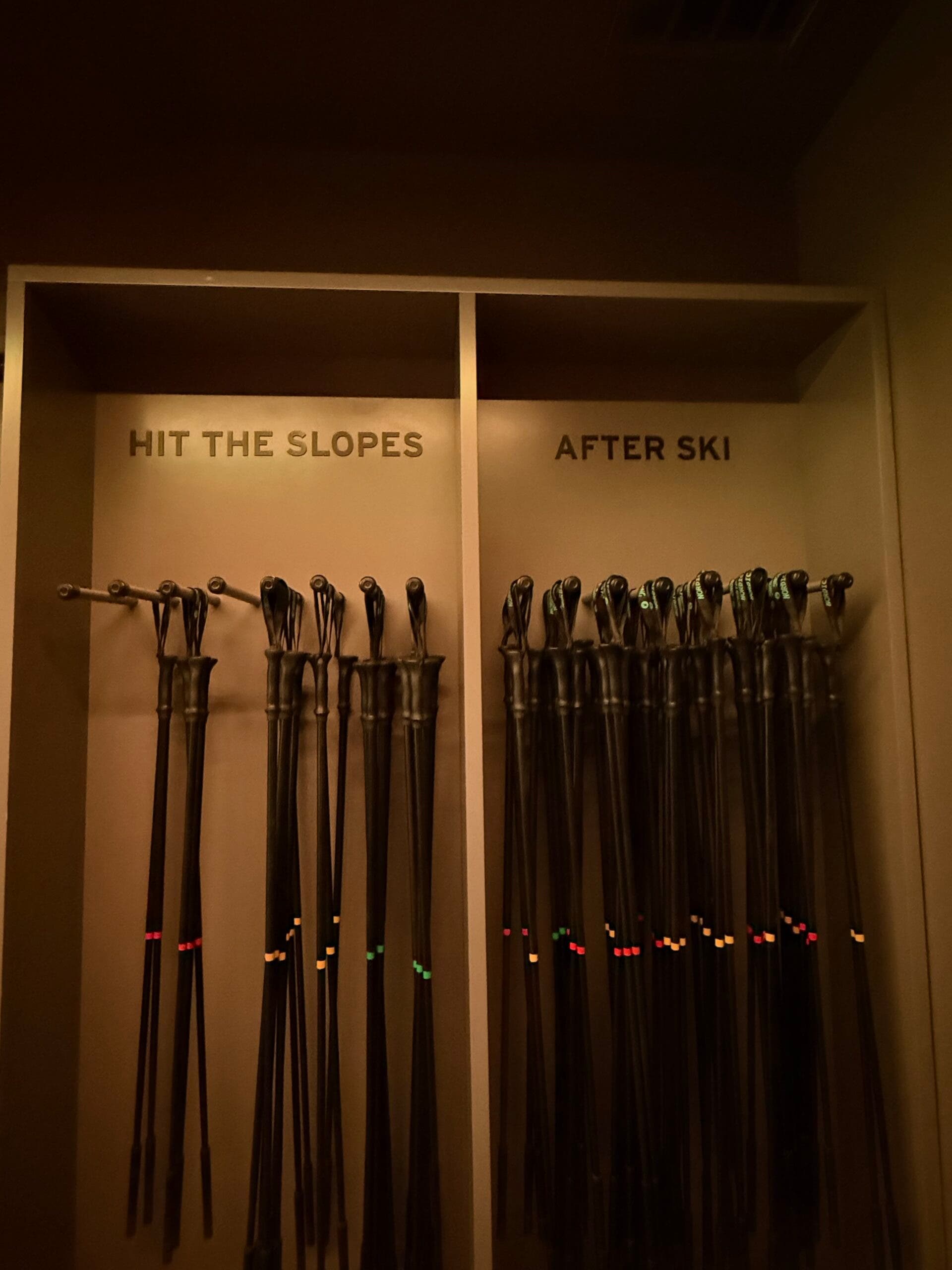
A typical 50-minute session at NRTHRN Strong incorporates a hybrid circuit training model that blends high-intensity intervals on the ski simulator with targeted floor exercises. Classes begin with a brief orientation for newcomers, who are fitted with specialized ski poles matched to their height. Because the equipment is relatively novel to the American fitness market, instructors emphasize that participants of all skill levels—from complete novices to seasoned outdoor skiers—start on equal footing.
The workout structure alternates between the NRTHRN Trainer and a rubber mat workspace. A standard session comprises approximately three ten-minute intervals on the machine interspersed with two ten-minute blocks of lower-body and core movements utilizing bodyweight and functional training modalities.
The intervals on the ski trainer are designed around plyometric, explosive movements that elevate the user’s heart rate within the opening minutes of the class. By maintaining continuous movement and varying stroke rates, participants experience sustained muscular tension across multiple muscle groups, fostering both cardiovascular conditioning and muscular endurance.
Industry Implications and Broader Fitness Trends
The launch of specialized ski simulation studios highlights a broader evolution in the boutique fitness sector, where traditional outdoor sports are increasingly being adapted for indoor commercial environments. Similar to how indoor cycling revolutionized the stationary bike market and indoor rowing established ergometers as staples of CrossFit and boutique studios, indoor ski trainers are carving out a distinct niche in endurance and strength conditioning.
Fitness analysts note that consumer demand for efficient, low-impact, total-body workouts has accelerated in the post-pandemic landscape. Urban populations increasingly prioritize exercise modalities that maximize caloric burn and muscular engagement while mitigating the wear and tear associated with high-impact activities like road running.
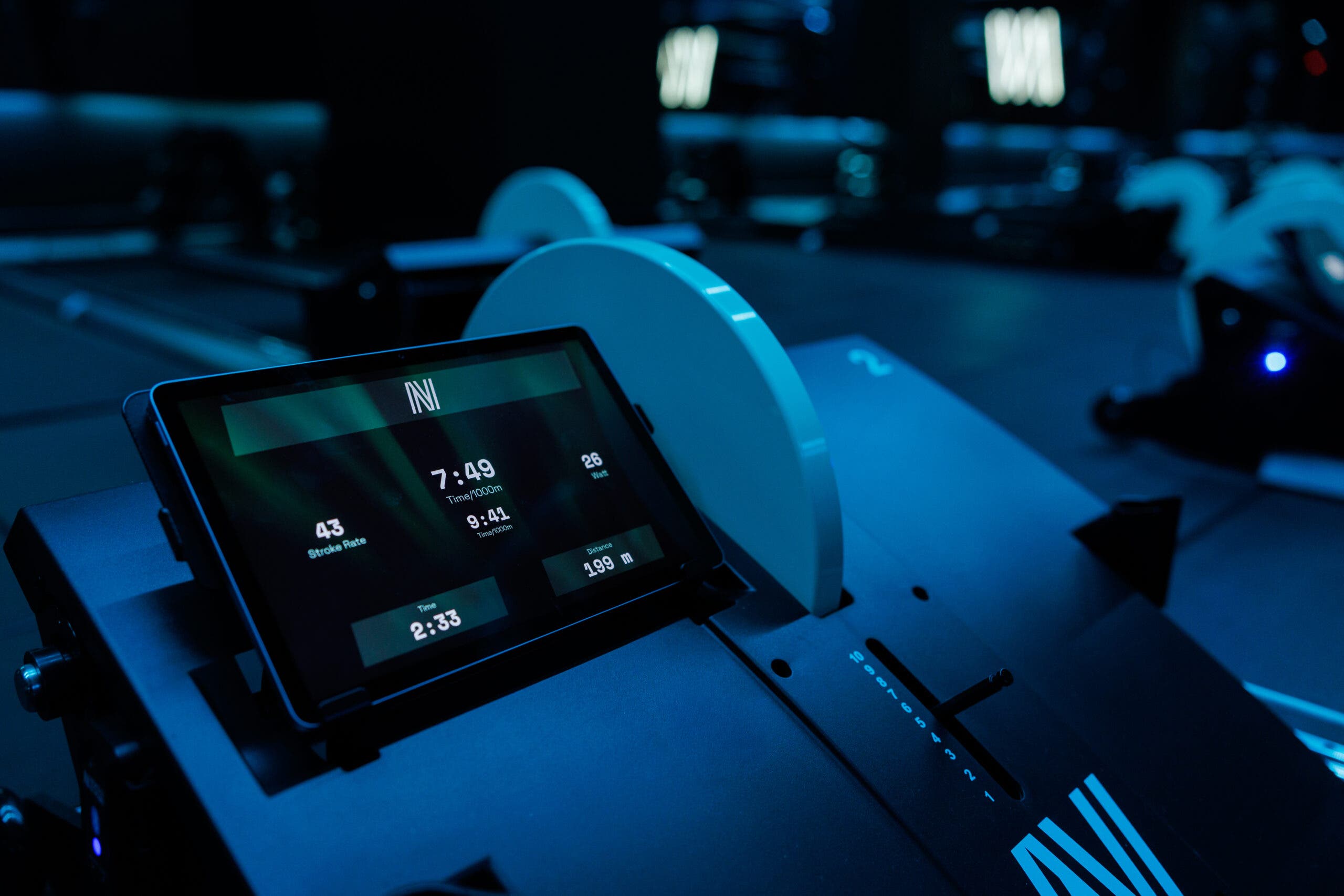
Furthermore, the integration of real-time digital performance tracking aligns with the broader "quantified self" movement, wherein participants utilize data analytics to measure progress, set benchmarks, and maintain accountability during group fitness classes.
Participant Reception and Athletic Transferability
Initial reception from participants and fitness professionals has highlighted the dual benefit of cardiovascular conditioning and functional strength development. Exercise science specialists note that the lateral stability and core control required to operate the machine translate effectively to other athletic disciplines, including running, cycling, and functional weight training.
For outdoor winter sports enthusiasts, indoor ski training offers a viable off-season conditioning tool. Anecdotal reports from early participants indicate that consistent training on the simulator improves upper-body power and core stability, translating to enhanced performance and confidence when returning to outdoor cross-country or alpine skiing.
As NRTHRN Strong and similar concepts evaluate future growth, the long-term viability of indoor ski fitness will depend on consumer retention and the continued appetite for experiential, sport-specific training. For now, the successful establishment of Nordic-inspired fitness in dense urban centers demonstrates that the boundaries of traditional athletic training continue to expand beyond the natural elements.

