
The stereotype of a climate advocate as a detached policy wonk is rapidly eroding, replaced by a new generation of field organizers who are as comfortable navigating a backcountry trail as they are dissecting a municipal zoning ordinance. Protect Our Winters (POW), a non-profit organization originally founded to mobilize the outdoor sports community around climate change, has increasingly shifted its focus toward hyper-local engagement. By leveraging the deep connection that athletes and outdoor enthusiasts have with their natural landscapes, the organization’s Chapter Program is successfully bridging the gap between national climate goals and the tangible, day-to-day decisions being made at the local government level.
The Evolution of Grassroots Environmentalism
For years, the environmental movement operated primarily through top-down federal lobbying efforts. However, the complexity of the climate crisis and the localized nature of energy infrastructure have necessitated a tactical shift. Recent data from the Intergovernmental Panel on Climate Change (IPCC) underscores that while national policies provide the necessary framework for carbon reduction, the implementation of renewable energy grids, land-use management, and climate-resilient urban planning occurs almost exclusively within municipal or regional jurisdictions.
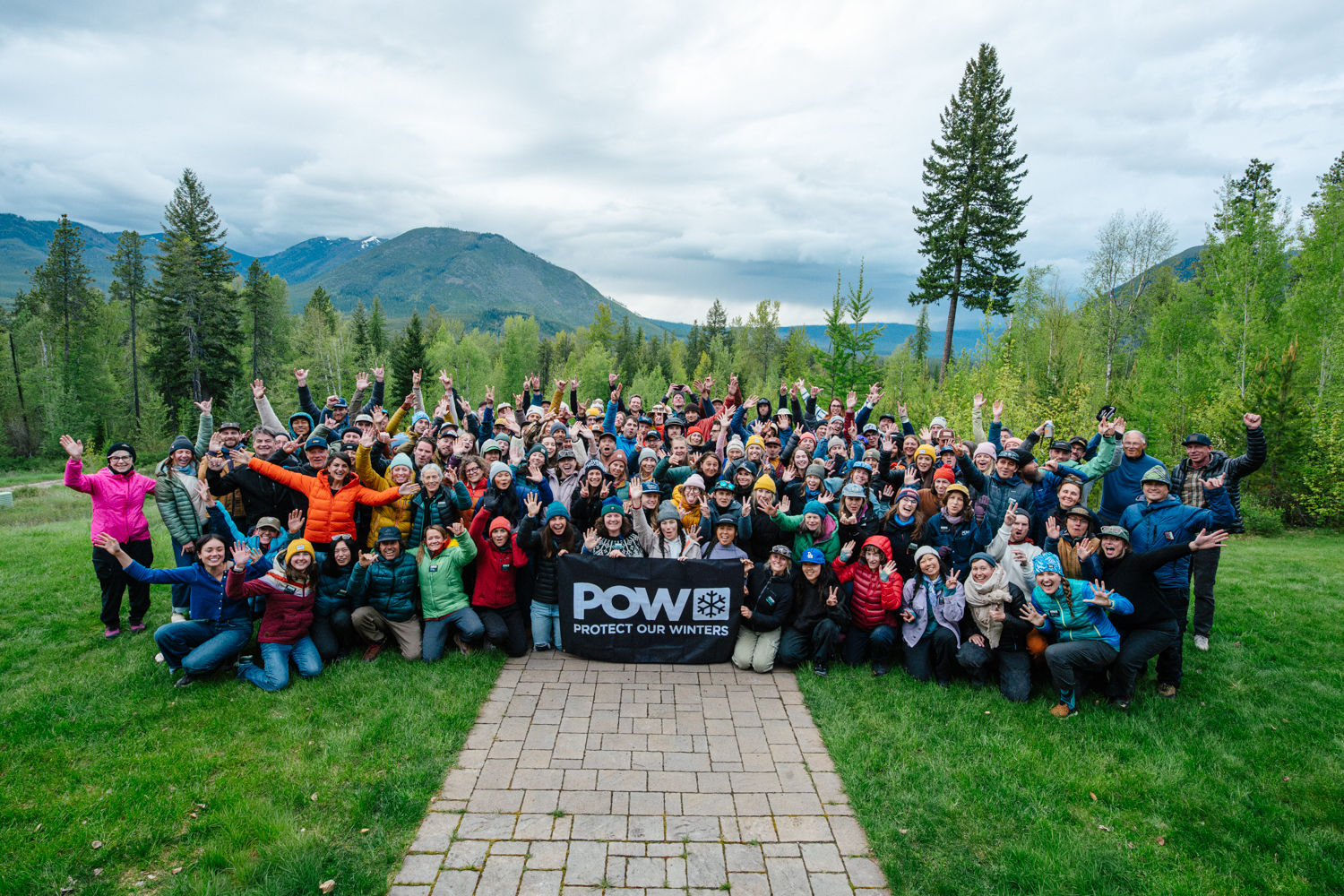
POW’s Chapter Program operates as a decentralized network across mountain and coastal communities, designed to activate residents who might otherwise feel disconnected from the legislative process. By focusing on "frontline" issues—such as local utility board elections, battery storage projects, and land conservation—these chapters provide a low-barrier entry point for citizens to participate in civic life.
A Geography of Activism: Key Regional Initiatives
The strength of the current movement lies in its geographical diversity, with organizers tailoring their approach to the specific ecological and political landscape of their regions.
In the White Mountains of New Hampshire, organizers are focusing on shifting the composition of local energy boards. By successfully electing qualified, environmentally-conscious individuals to the NH Electric Coop’s Board of Directors, advocates have demonstrated that even small-scale utility governance can have significant ripple effects on state-wide energy policy.

Meanwhile, in Montana, the Gallatin Valley chapter has turned its attention to the Integrated Resource Planning (IRP) process of regional utilities. The IRP serves as a 20-year roadmap for power generation, and by mobilizing residents to submit public comments, these organizers are challenging the reliance on fossil-fuel-heavy energy portfolios in favor of wind and solar infrastructure. Similar efforts in Colorado have seen the lifting of moratoriums on battery energy storage systems (BESS), a critical component in ensuring that intermittent renewable energy sources can be stored and distributed reliably during peak demand.
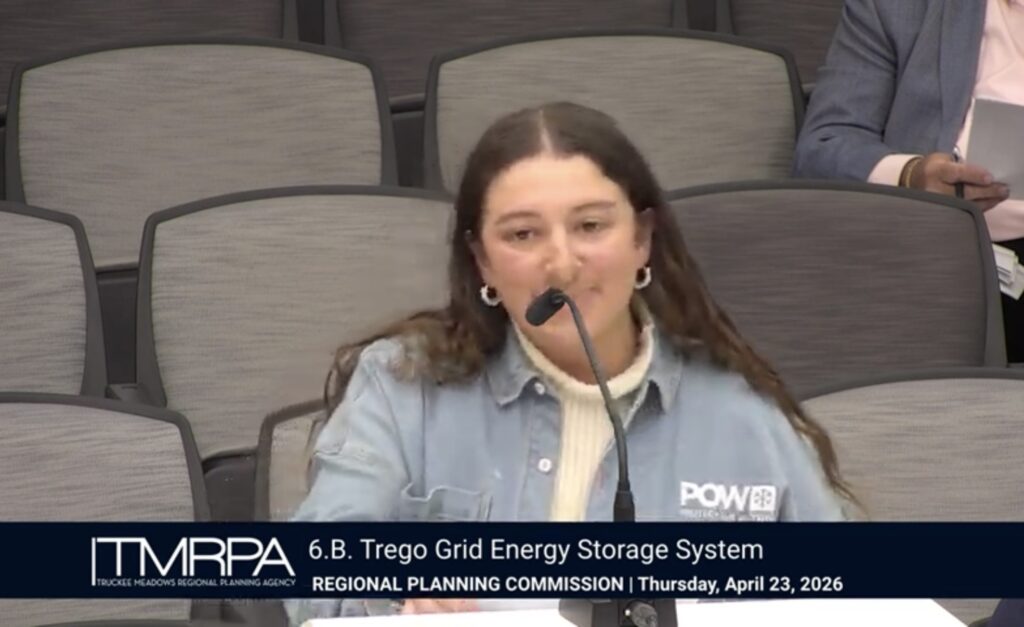
In the Sierra Nevada region, specifically Truckee, Tahoe, and Reno, the focus has shifted toward large-scale infrastructure projects. The recent approval of the 200 MW TregoGrid project serves as a landmark case study for what can be achieved when local chapters engage in technical regulatory advocacy. By providing the public with the information and support necessary to participate in high-level planning hearings, these organizations ensure that local voices are not drowned out by industry lobbyists.
The Mechanics of Local Engagement
The efficacy of these chapters is rooted in the "numbers game" of local politics. Unlike federal elections, which often see high turnout and deep polarization, municipal and county-level elections frequently suffer from low participation rates. This demographic reality creates a unique opening for advocacy groups: in many instances, a small group of committed, well-informed citizens can swing a vote on an electric co-op board or a planning commission by a margin of only a few dozen ballots.
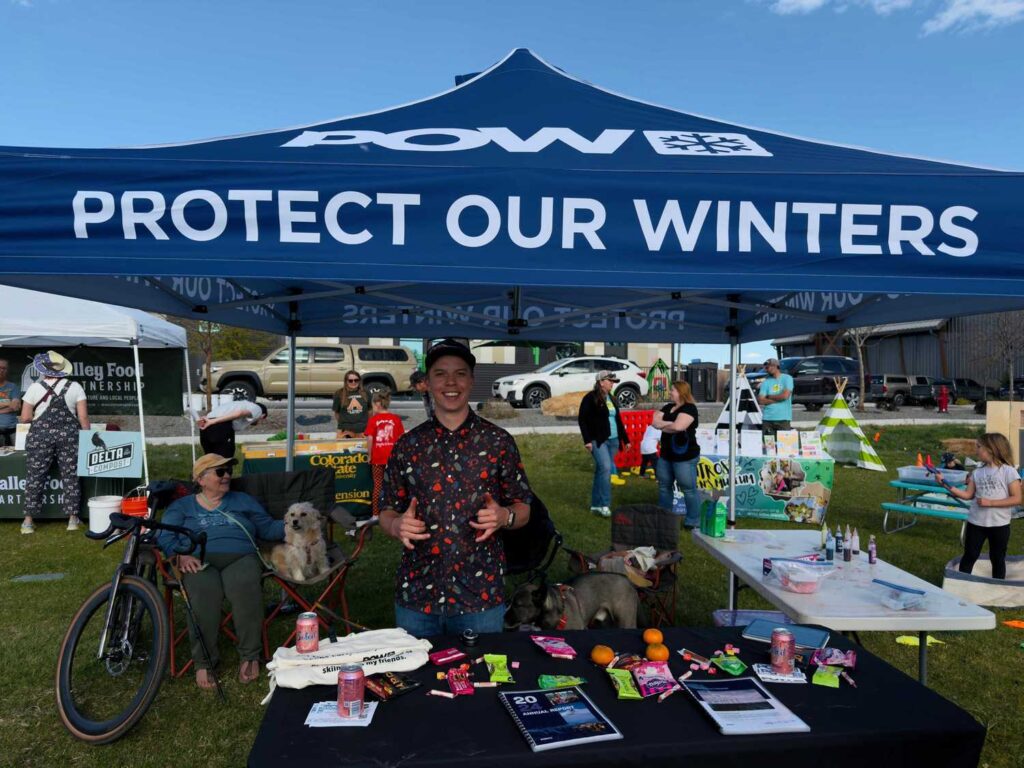
Field organizers emphasize that the "training" required for such engagement is less about academic expertise and more about procedural literacy. By demystifying the town council meeting, these organizers are removing the intimidation factor associated with public testimony. The strategy is built on the premise that a compelling personal story—how a changing climate affects one’s ability to recreate or how local utility costs impact household budgets—is often more persuasive to a local official than a generic form letter.
Fact-Based Analysis: Why Local Wins Matter
The broader implications of this localized strategy are significant. When a chapter successfully advocates for a clean energy project or a pro-climate candidate, they are not merely achieving a singular policy win. They are establishing a political culture of accountability.
- Procedural Familiarity: By participating in a county commission meeting, a citizen becomes familiar with the levers of power, making them more likely to engage in subsequent issues.
- Accountability Loops: Local officials are more accessible than members of Congress. When constituents consistently show up to public forums, it establishes a baseline of community scrutiny that is difficult for officials to ignore.
- Resilience and Adaptation: Localized energy projects, such as the BESS initiatives in Colorado, increase the regional resilience of the power grid, providing a physical buffer against the extreme weather events that are becoming more frequent due to climate change.
Addressing the Barriers to Entry
Despite the potential for impact, the transition from an outdoor enthusiast to an active advocate remains a psychological hurdle for many. Organizers acknowledge that the fear of public speaking or the anxiety of appearing "uninformed" often keeps potential activists on the sidelines.
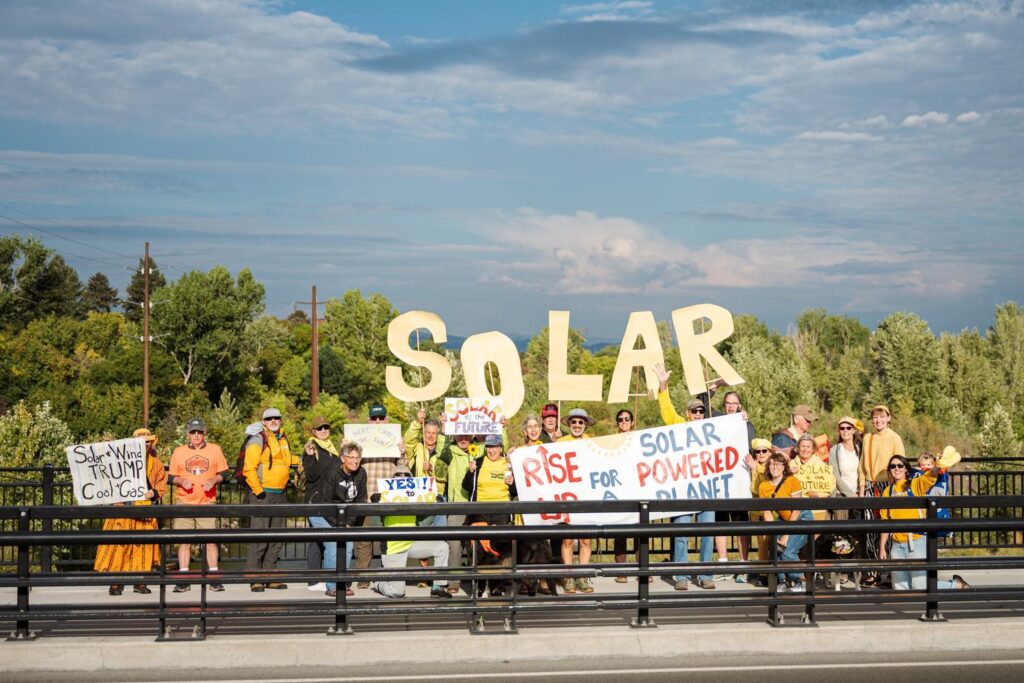
To mitigate this, the Chapter Program utilizes a mentorship model. New volunteers are rarely asked to lead a campaign on their own. Instead, they are integrated into a cohort that provides training on how to draft letters to the editor, how to prepare a three-minute public comment, and how to track local legislative calendars. This peer-supported structure ensures that the burden of advocacy is distributed, preventing burnout and fostering a sense of community that is often lacking in more isolated, digital-only activism.
The Road Ahead: Midterms and Beyond
As the nation approaches midterm election cycles, the focus of these chapters is shifting toward voter engagement and civic turnout. While the headline news may focus on national political debates, these grassroots organizations are doubling down on the premise that federal change is impossible without a stable foundation of local support.
The upcoming autumn season will serve as a stress test for this model. With organizers in New Hampshire, Montana, Colorado, and California coordinating localized campaigns, the broader goal is to create a national network of "informed locals" who can influence the trajectory of the country’s climate policy from the ground up.
In conclusion, the movement led by groups like Protect Our Winters represents a sophisticated evolution in environmental advocacy. By moving away from the abstract and toward the immediate, these organizers are proving that the most effective way to protect the places we love is to start with the town council meeting down the street. It is a slow, methodical, and often unglamorous process, but it is one that is fundamentally shifting the power dynamics of environmental policy. The evidence suggests that when people are empowered with the right tools and a supportive community, they are more than capable of shaping a future that accounts for both the economic realities of their neighbors and the ecological needs of their home landscapes.

