
Despite the exhilarating, gravity-fed nature of alpine skiing, the sport is a grueling physical endeavor that places immense physiological demands on the human body. While navigating pristine corduroy groomers, charging through treacherous back bowls, or executing top-to-bottom runs might look effortless in professional edits, the reality on the mountain involves relentless muscular engagement. Skiers do not necessarily need superhero-sized quadriceps to navigate the slopes, but possessing high levels of strength, stamina, balance, and coordination dramatically changes the quality of the descent. Whether preparing for competitive racing circuits or aiming to maximize weekend warrior status, developing targeted physical conditioning ensures that every run remains smooth, powerful, and controlled.
Drawing from years of experience training some of the world’s elite ski racers, renowned conditioning coach Chris Miller emphasizes that true alpine fitness extends far beyond basic leg strength. Preparing the human body for the unique, multi-directional stresses of skiing requires an intentional focus on specific movement patterns designed to foster muscle growth and resilience under extreme fatigue. This specialized form of physical preparation is known as power endurance—the critical physiological bridge between raw muscular strength and cardiovascular stamina.
Understanding the Science of Power Endurance on the Slopes
Power endurance is broadly defined in sports science as the ability to sustain high-intensity muscular contractions repeatedly over an extended period. For skiers, this specific athletic attribute is indispensable. Every sharp turn, mogul absorption, and high-speed carve demands explosive power from the lower extremities and core. However, this explosive force cannot be a one-time occurrence; it must be replicated continuously from the initial morning chairlift ride to the final bell-to-bell run of the afternoon.
Skiers rely heavily on their quadriceps, hamstrings, glutes, and deep core stabilizers to maintain structural control, absorb unpredictable terrain variations, and generate functional speed, often across hours of continuous physical exertion. When power endurance is lacking, neuromuscular fatigue sets in rapidly. This localized exhaustion degrades technical form, slows reaction times, and significantly elevates the risk of acute musculoskeletal injuries, particularly in the knee joints and lower back.
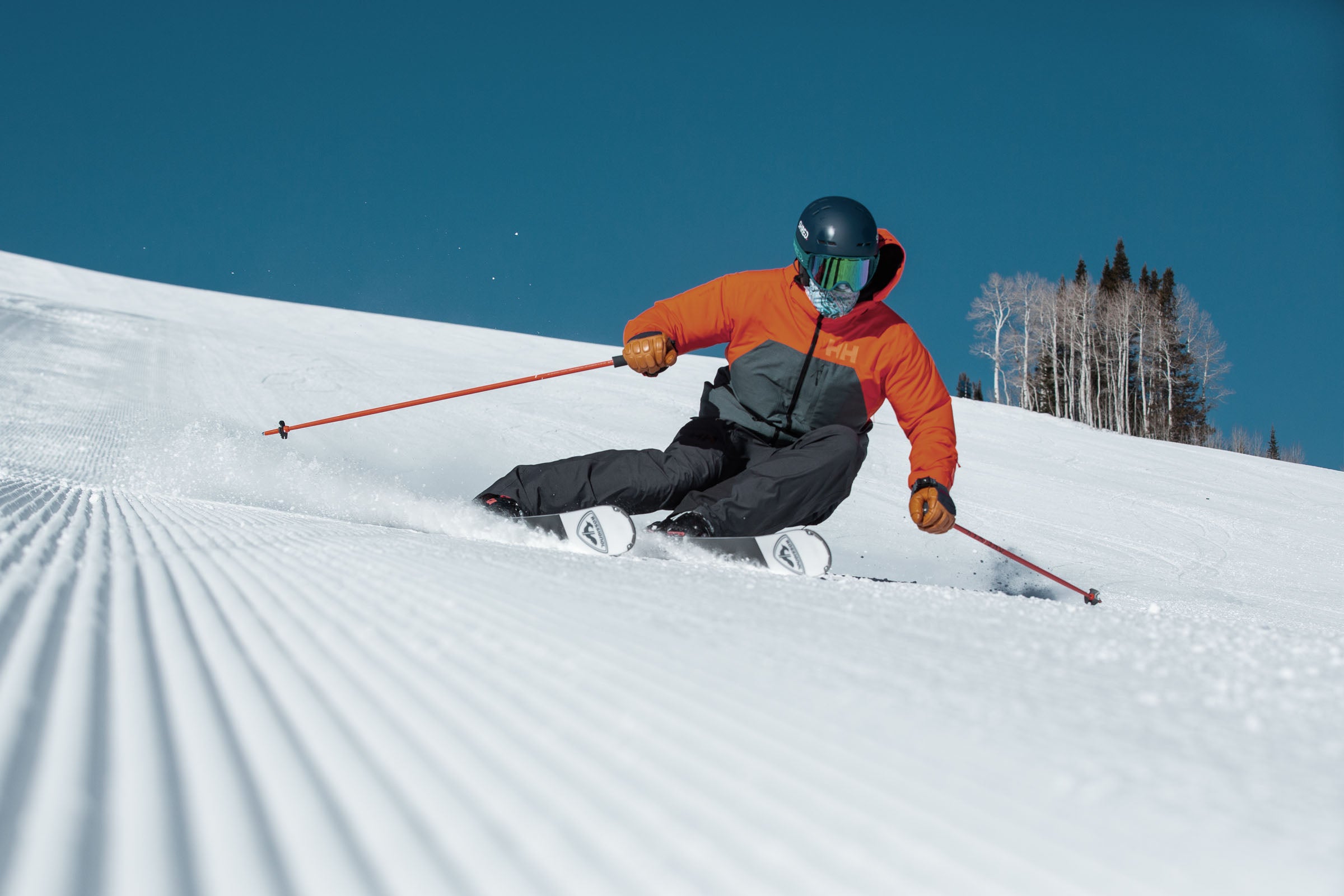
By integrating targeted power endurance protocols—such as plyometric circuits, jump squats, and dynamic interval training—into a pre-season regimen, athletes can significantly delay the onset of fatigue. Maintaining structural integrity and sound biomechanics over longer durations not only translates to more enjoyable days on the mountain but also serves as a proven preventative measure against common winter sports injuries.
The Evolution of Pre-Season Ski Conditioning
Historically, pre-season ski preparation consisted of rudimentary jogging, generic cycling, and basic wall sits. However, sports science and biomechanical analyses over the past decade have revolutionized how winter athletes train. Modern coaching methodologies, championed by figures like Chris Miller, prioritize functional movement screens, multi-planar stability, and compound explosive loading to mirror the exact forces skiers experience at high velocities.
In the early autumn months, athletes typically transition from general off-season aerobic conditioning to sport-specific power development. This shift acknowledges that skiing is not a linear sport. Lateral stability, rotational core strength, and eccentric deceleration—the ability of muscles to control a load while lengthening—are paramount. When a skier carves a turn, the outside leg must absorb forces multiple times the athlete’s body weight while maintaining an optimal edge angle. Preparing the neuromuscular system for these precise demands requires a structured, multi-phase workout routine that systematically builds from mobility and stabilization to high-velocity power endurance.
Anatomy of the Routine: Warming Up the Neuromuscular System
A comprehensive pre-season conditioning program must begin with a targeted warm-up designed to elevate core body temperature, mobilize key joints, and awaken the central nervous system. Coach Miller’s protocol initiates with a dynamic cardio activation followed by a specialized quadruped series. This initial phase targets the hips, thoracic spine, and shoulder girdles—areas crucial for maintaining an athletic, forward-leaning stance on the skis.

The quadruped series, executed with controlled repetitions on each side, promotes mobility without compromising core stability. It is immediately followed by a targeted lunge series that introduces unilateral loading, mimicking the single-leg weight distribution inherent to ski turns. Concluding the warm-up phase is a dynamic series that elevates heart rates and primes fast-twitch muscle fibers for the explosive demands of the subsequent power circuits.
Power Circuit No. 1: Lower Body Explosiveness
The core of the training session focuses heavily on the lower extremities through a specialized sandbag and bodyweight series. Designed to build repeatable explosive power, this circuit requires minimal equipment while delivering maximum physiological stimulus.
Athletes execute four continuous sets utilizing a sandbag for added resistance. The design of sandbags introduces an unstable, shifting load that actively recruits smaller stabilizing muscles in the core and upper body, accurately simulating the unpredictable feedback skiers receive from variable snow conditions. Crucially, the protocol dictates zero rest between individual exercises within a set, forcing the cardiovascular and muscular systems to operate under accumulating lactate and fatigue. Following the completion of all exercises in a single set, athletes take a strict 45-second recovery window before launching into the next round. This work-to-rest ratio directly mirrors the physiological demands of long, uninterrupted ski descents where recovery time is limited.
Power Circuit No. 2: Trunk Stability and Anti-Movement
While powerful legs generate speed, a resilient trunk provides the necessary platform to transmit that force efficiently to the skis. Power Circuit No. 2 shifts focus entirely to the core, utilizing an anti-movement framework.

In modern athletic conditioning, core training has evolved away from repetitive spinal flexion, such as traditional crunches, toward anti-extension, anti-rotation, and lateral stability exercises. Skiers must constantly resist external rotational and lateral forces generated by wind, ice, and uneven terrain. Exercises like the classic dead bug—featured prominently in Miller’s regimen—train the deep abdominal wall to maintain a neutral spine while the limbs move independently.
This circuit incorporates three rigorous sets, separated by 45 to 60 seconds of complete rest to allow for adequate adenosine triphosphate (ATP) replenishment in the energy systems. By prioritizing anti-movement core stability, skiers develop the trunk stiffness required to absorb high-speed impacts and maintain a balanced, central platform over their skis.
Broader Implications for Winter Sports Safety and Performance
The implementation of scientifically backed pre-season training protocols has far-reaching implications for the broader skiing community. Orthopedic specialists and ski patrollers consistently note a spike in knee and lower extremity injuries during the early weeks of the winter season, largely driven by deconditioned weekend warriors attempting high-intensity physical efforts without adequate physiological preparation.
By adopting structured power endurance regimens like the one outlined by coach Chris Miller, recreational and competitive skiers alike can bridge the gap between sedentary off-season habits and the extreme demands of mountain environments. Enhanced muscular endurance directly correlates with improved decision-making on the slopes, as cognitive function declines more slowly when the body is adequately conditioned to handle physical stress.
Furthermore, investing time in pre-season conditioning democratizes performance. Skiers who optimize their biomechanics, core stability, and power endurance experience less muscle soreness, recover faster between ski trips, and ultimately extract significantly more value from their season passes. As winter approaches, integrating these targeted, easy-to-follow-along video tutorials and structured workout circuits offers an accessible, highly effective pathway to ensuring a safer, stronger, and more exhilarating season on the mountain.

