
Meadowlands, New Jersey – The unprecedented global spectacle of the FIFA World Cup has rippled through the operations of Big SNOW American Dream, the nation’s only indoor ski and snowboard resort, necessitating rare schedule modifications. Located adjacent to MetLife Stadium, a key venue for the 2026 FIFA World Cup, Big SNOW, a year-round facility typically open except for major holidays, has experienced disruptions due to the significant influx of attendees and operational changes mandated by the international sporting event.
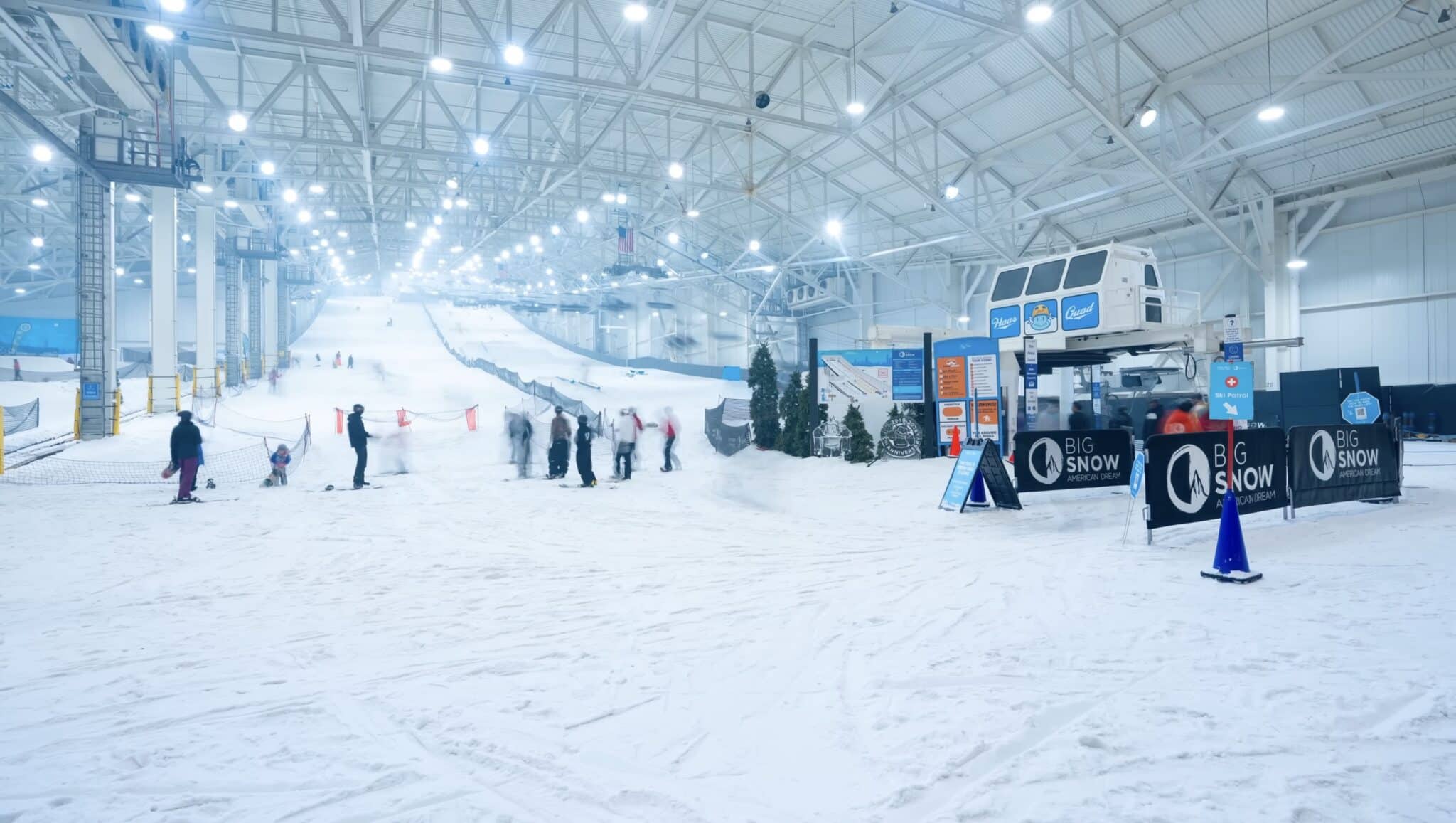
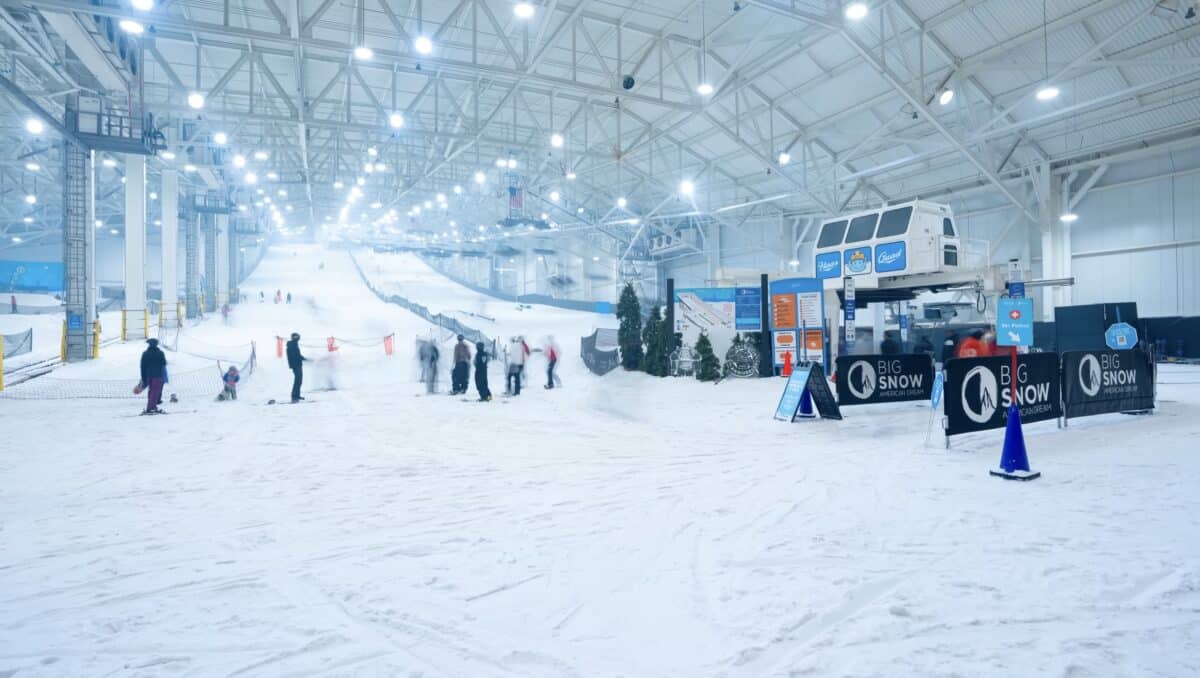
The American Dream Mall, a sprawling entertainment and retail complex that itself experienced a lengthy development period, houses Big SNOW. This unique indoor snow park, operated by SNOW Operating, offers a controlled environment for skiing, snowboarding, and tubing, catering to all skill levels. Generally insulated from external weather conditions and local events, Big SNOW’s operational calendar is typically only impacted by major holidays. However, the scale and scope of the FIFA World Cup have proven to be an exception, leading to several days of altered operating hours or temporary closures.
The World Cup’s Unforeseen Impact on a Year-Round Resort
The confluence of the World Cup and the American Dream Mall presents a complex logistical challenge. MetLife Stadium, the primary host for the tournament matches in the region, shares extensive parking facilities with the mall. As part of FIFA’s security and fan experience protocols, designated areas traditionally used for vehicle parking have been repurposed for fan zones, security checkpoints, and logistical operations. This redistribution of space has significantly increased the demand for parking at the American Dream Mall, impacting access for its patrons and employees.
For businesses within the American Dream Mall, including Big SNOW, the World Cup has presented a strategic dilemma. While the desire is to maintain normal operations and capitalize on potential foot traffic, the logistical realities—including enhanced security measures, traffic congestion, and the general recommendation for ticketless individuals to avoid the immediate vicinity of the stadium on match days—have forced a recalibration of business strategies. Operators have faced the choice of continuing with modified operations, significantly reducing services, or temporarily ceasing operations on specific high-demand match days.
A Chronology of Disruption
The impact on Big SNOW American Dream has been felt across a series of key dates coinciding with World Cup matches. The following schedule reflects the periods during which operations have been adjusted:
- June 13: Initial adjustments were made in anticipation of early tournament matches.
- June 16: Further modifications were implemented as the tournament progressed.
- June 22: Another set of matches necessitated operational changes.
- June 25: Continued World Cup fixtures led to ongoing schedule adjustments.
- June 27: The tournament’s progression brought further impact.
- June 30: Another day of World Cup matches required operational recalibration.
- July 5: The tournament’s later stages continued to influence local logistics.
- July 19: Adjustments were made in the lead-up to the tournament’s conclusion.
The current scheduling indicates that the most significant disruption is tied to the World Cup Final, a highly anticipated event that typically draws massive crowds and necessitates extensive security and traffic management. The final match is scheduled to feature a highly anticipated showdown between Argentina and Spain, a clash that is expected to bring the tournament’s regional impact to its zenith. Following this climactic event, operations at Big SNOW American Dream are slated to return to their regular, year-round schedule.
Supporting Data and Context
The American Dream Mall, a 3 million-square-foot entertainment and retail destination, is a significant economic driver in the region. Its integration with MetLife Stadium, a 82,500-seat venue, creates a unique dynamic. The World Cup, as a global event, amplifies this interaction exponentially. FIFA estimates that the 2026 World Cup could attract over 5.5 million spectators across all host cities, with the New York/New Jersey area being a central hub. The logistical planning for such an event involves extensive coordination between FIFA, local authorities, transportation agencies, and private entities like the American Dream Mall.
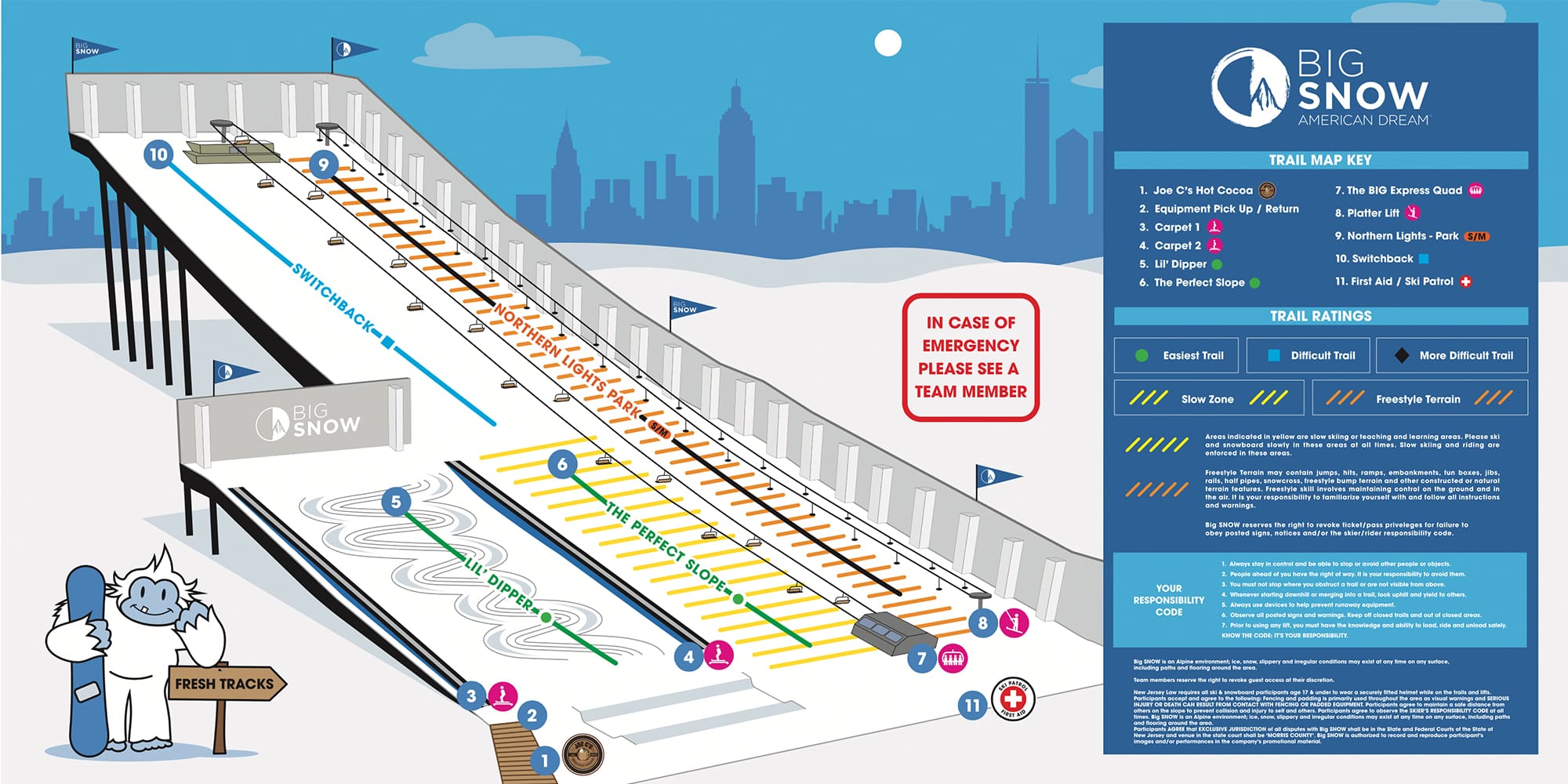
Big SNOW American Dream, with its temperature-controlled environment maintaining a consistent 28 degrees Fahrenheit, offers a unique recreational experience. It features a 169,000-square-foot snow surface, including multiple slopes and terrain parks, alongside a 18-story tubing hill. The resort typically employs a dedicated team of snowmakers, instructors, and guest services staff, all of whom are affected by the operational adjustments. The resort’s year-round operation is a key selling point, offering an escape from seasonal limitations, making these World Cup-related disruptions particularly noteworthy.
Official Responses and Industry Implications
While direct statements from Big SNOW American Dream management regarding the specific operational changes have not been extensively publicized, the nature of the World Cup’s logistical requirements implies a collaborative approach with local authorities and FIFA organizers. Typically, venues adjacent to major sporting events are provided with advance notice of security perimeters, traffic management plans, and any required operational adjustments.
The implications for Big SNOW extend beyond immediate revenue loss on affected days. The disruptions can impact visitor expectations, potentially leading to rescheduled visits or a temporary dip in spontaneous bookings. For the broader sports and entertainment industry, this event highlights the complex interplay between large-scale global sporting events and established local businesses. It underscores the need for robust contingency planning and flexible operational models to navigate unforeseen circumstances.
The successful conclusion of the World Cup final is anticipated to alleviate the immediate pressures on the region, allowing Big SNOW American Dream to resume its normal operations. This period of adjustment, however, serves as a case study in the potential impacts of major international events on diverse business sectors and the importance of adaptive strategies in managing such complexities. As the region transitions from the fervor of the World Cup to its regular rhythms, the unique indoor snow park can once again fully embrace its role as a year-round destination for snow sports enthusiasts.

