
The intersection of elite athletic performance and cutting-edge wellness technology has found a prominent advocate in Jonny Moseley, the 1998 Olympic gold medalist whose career has long been defined by a refusal to adhere to the status quo. Decades after he revolutionized freestyle skiing with "new-school" techniques that bridged the gap between traditional moguls and the emerging world of snowboarding, Moseley is now applying that same disruptive mindset to the science of aging and physical recovery. His current fitness routine, which prioritizes dynamic movement, mobility, and high-tech rest, serves as a blueprint for the modern "tactical athlete"—individuals who seek to maintain peak performance well into their middle age through a combination of data-driven training and advanced recovery modalities.
The 1998 Revolution: A Foundation of Data and Innovation
To understand Moseley’s current obsession with recovery, one must look back to the 1998 Winter Olympics in Nagano, Japan. At the time, the world of freestyle skiing was governed by rigid technical standards. Moseley, however, recognized that the margin between a podium finish and obscurity lay in the marginal gains found through unconventional preparation. While many of his peers relied on traditional coaching and repetitive drills, Moseley implemented a training plan that was decades ahead of its time.
He became an early adopter of physiological tracking, utilizing heart rate monitors to gauge cardiovascular strain—a technology that, while introduced in 1982, did not see widespread adoption among professional athletes until the mid-to-late 1990s. Moseley’s approach was meticulously documented; he journaled his daily performance and tracked "second-day soreness" to identify his body’s supercompensation cycles. This data-driven methodology allowed him to time his peak performance with surgical precision, ensuring he was at his physical zenith when he stepped onto the Olympic stage.
The result was a performance that changed the sport forever. Moseley didn’t just win gold; he did so by incorporating a snowboard-style "mute grab" into his 360-degree spin, a move that was initially met with skepticism by traditionalists but ultimately ushered in the era of freeskiing. This "new-school" attitude was not merely about style; it was the product of an athlete who understood the cycles of strain and recovery better than anyone else on the circuit. As Moseley reflects today, the four-year Olympic cycle creates a high-stakes environment where timing is everything, forcing athletes to become obsessed with the delicate balance of pushing the body to its limit and allowing it to heal.
The Modern Shift: From Raw Strength to Integrated Wellness
As Moseley has transitioned from a competitive racer to a global ambassador for the skiing lifestyle, his fitness priorities have undergone a significant evolution. The raw, lower-body power required for Olympic moguls has been replaced by a more holistic focus on longevity and functional mobility. Today, Moseley maintains a rigorous schedule that adapts to the seasons, ensuring he remains "ski-ready" regardless of the time of year.
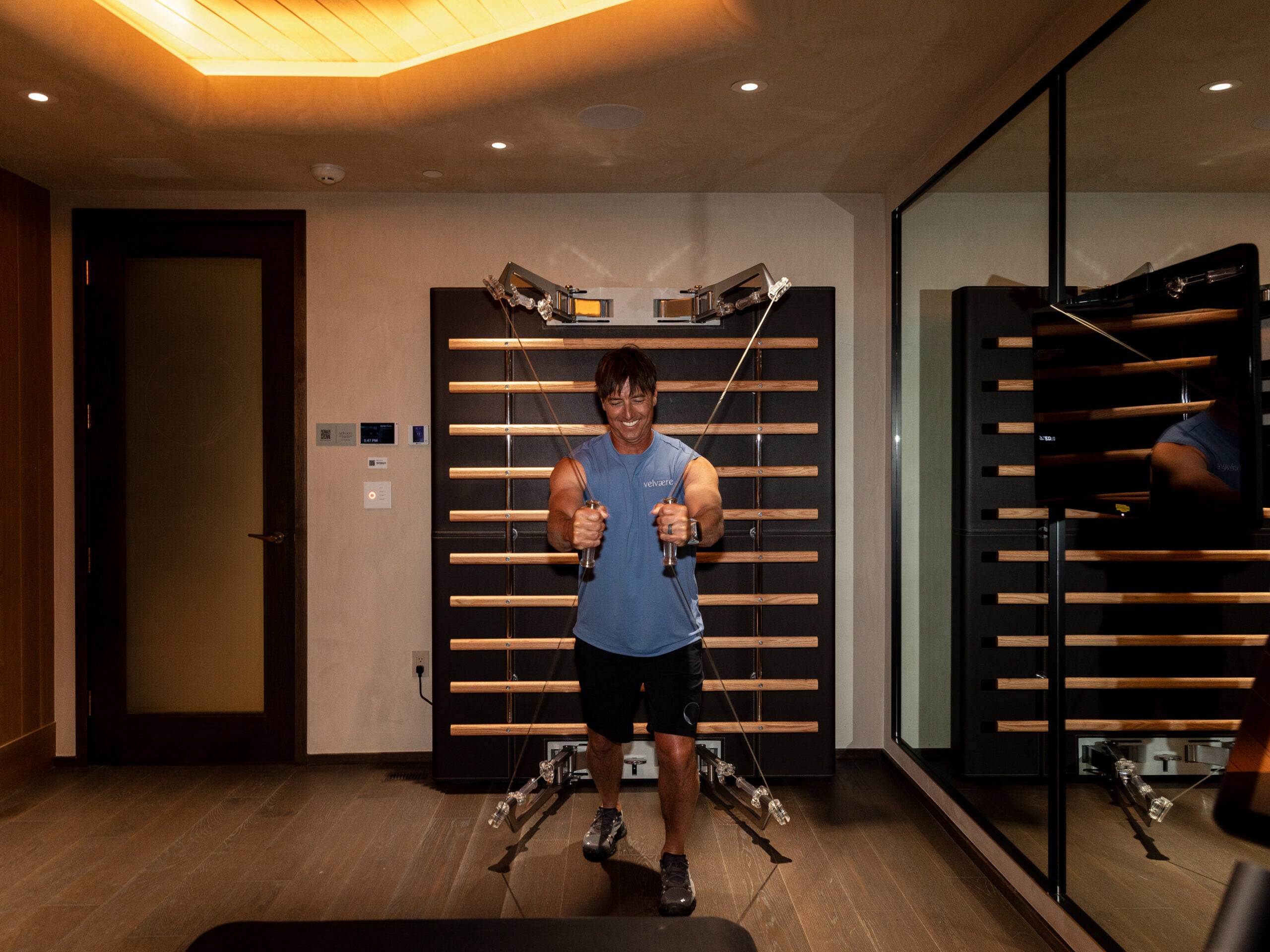
His daily regimen typically begins with a strict morning workout consisting of 30 to 60 minutes of cardiovascular work. This often takes the form of a brisk walk with his dog or a session on a treadmill, providing a steady-state aerobic base before moving into more intense resistance training. During the summer months, the focus is on building foundational strength. However, as the autumn temperatures drop and the ski season approaches, Moseley shifts his mindset toward endurance and lateral stability.
One of the more technical aspects of his current training involves the use of slide boards and one-leg training exercises. These movements are designed to mimic the side-to-side forces encountered on the slopes, building the proprioception and eccentric strength necessary to navigate variable terrain. Furthermore, Moseley has embraced "hot yoga" as a cornerstone of his routine, a stark departure from the heavy compound lifts of his youth. This emphasis on mobility is a calculated response to the natural stiffening of joints that occurs with age, allowing him to maintain the fluid, "cat-like" movements that characterized his professional career.
High-Tech Recovery: The Velvaere Partnership
Moseley’s commitment to the future of fitness is perhaps best exemplified by his recent ambassadorship with Velvaere, a private residential wellness community located in Deer Valley, Utah. The project represents a new frontier in "wellness real estate," where high-end luxury living is integrated with clinical-grade recovery technology. For Moseley, the facilities at Velvaere mirror the elite environments of the United States Olympic & Paralympic Training Centers, bringing "cutting-edge" athletic potential to a broader audience.
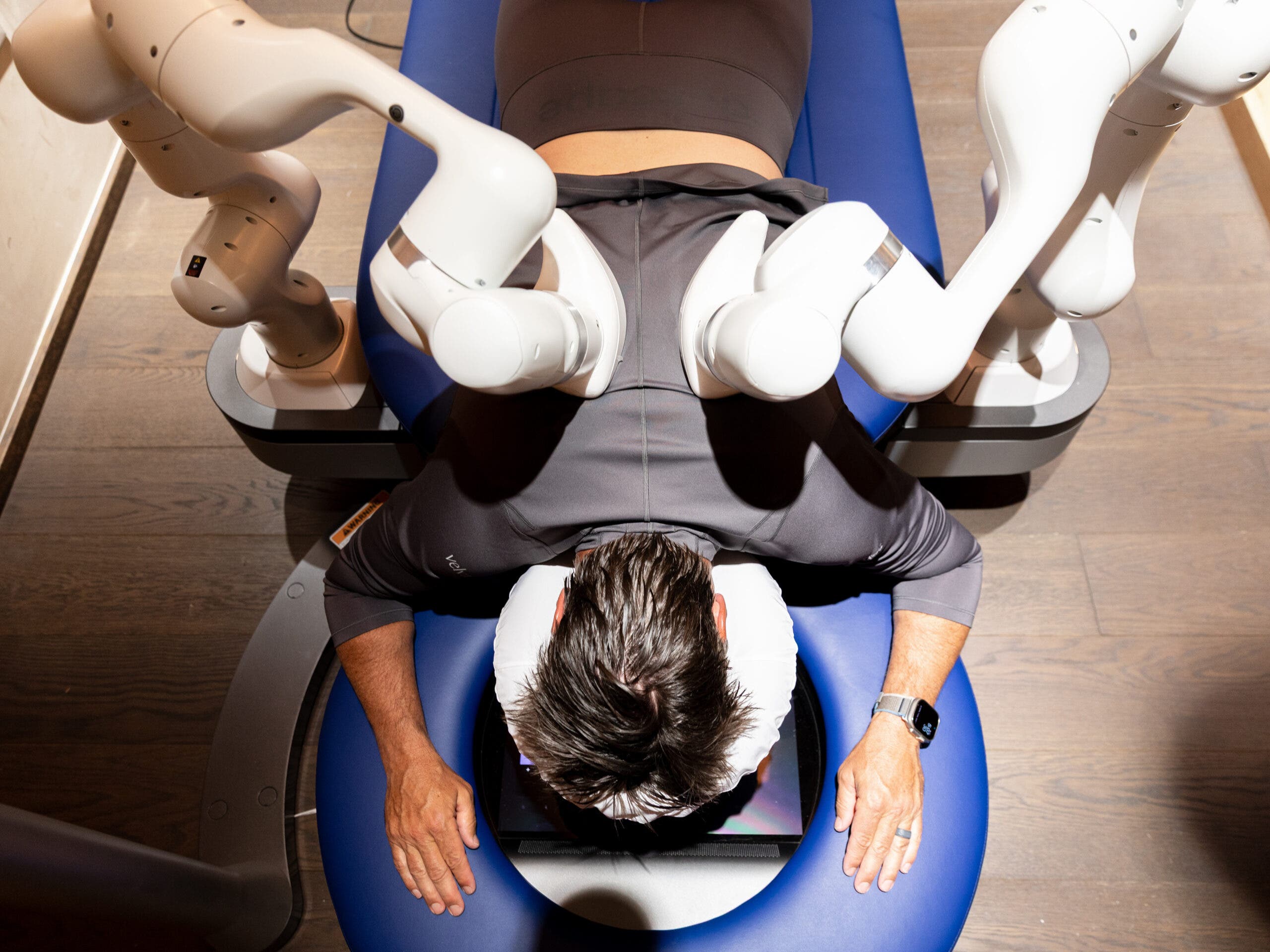
The amenities at Velvaere go far beyond a standard gym or spa. Central to the facility is an AI-powered robot designed to evaluate the human body’s musculoskeletal state before administering a customized massage. This level of personalization ensures that recovery is not a generic experience but a targeted intervention based on real-time data. In addition to robotic massage, the facility offers a suite of advanced therapies, including:
- Cryotherapy: Utilizing sub-zero temperatures to reduce systemic inflammation and accelerate muscle repair.
- LightStim LED Therapy: Employing specific wavelengths of light to stimulate cellular energy production and collagen synthesis.
- Flotation Therapy: Providing a sensory-deprivation environment that reduces cortisol levels and allows for deep mental and physical decompression.
- TechnoGym Integration: Using smart equipment that tracks every repetition and adjustment to ensure optimal biomechanics.
- Contrast Bathing: Alternating between traditional saunas and cold plunges to improve vascular tone and metabolic waste clearance.
Moseley’s endorsement of these technologies marks a significant shift in how recovery is perceived. It is no longer a passive activity—simply "taking a day off"—but an active, technology-enhanced process that is as critical to performance as the workout itself.
The Science of Seasonal Transition and Plyometrics
As the first snow begins to fall, Moseley’s training enters its most critical phase: the transition to plyometric mode. For a skier, the ability to absorb impact and generate explosive power is paramount. Moseley identifies box jumps as the "gold standard" for this type of conditioning, though he cautions against the dangers of "couch-to-box-jump" transitions. His advice to athletes is to start small, utilizing lower heights to prime the nervous system before attempting maximum vertical efforts.
This seasonal shift is not just physical but psychological. Moseley admits that while he has historically struggled with "slowing down"—often only resting when forced to by injury—he has come to recognize that a community-focused wellness lifestyle is the greatest contributor to sustained success. By surrounding himself with an environment where recovery is prioritized, he is able to mitigate the "jarring" effects of high-intensity training.
Broader Implications for the Athletic Community
The evolution of Jonny Moseley’s fitness philosophy reflects a broader trend within the sports science community. The focus is shifting away from "overtraining" and toward "optimized loading." The inclusion of tools like Heart Rate Variability (HRV) and VO2 max tracking into the mainstream allows amateur athletes to train with the same precision that Moseley used to win gold in 1998.
Furthermore, the rise of wellness-centric communities like Velvaere suggests a growing market for "preventative longevity." As the global wellness economy continues to expand—estimated by some industry analysts to be worth over $5.6 trillion—the integration of AI and clinical recovery into daily life is becoming the new benchmark for health-conscious individuals.
Moseley’s journey from the 1998 Olympic podium to the AI-driven massage tables of Deer Valley illustrates a vital lesson in modern athletics: the body is a machine that requires sophisticated maintenance to perform at its peak. By balancing the "new-school" creativity of his youth with the "high-tech" recovery of his present, Moseley continues to challenge the perception of what is possible for an athlete at any age. His approach serves as a reminder that while sheer luck may play a role in a single moment, long-term success is the result of a revolutionary plan, a commitment to mobility, and the courage to embrace the next wave of innovation.

