
The physiological demands of alpine skiing and snowboarding are unique among recreational sports, requiring a sophisticated blend of explosive power, eccentric muscle endurance, and multi-planar stability. While the traditional ski season in the Northern Hemisphere typically spans from late November to April, sports medicine professionals and professional trainers increasingly advocate for a "365-day" approach to conditioning. The objective of this year-round regimen is twofold: to maximize on-slope performance and to mitigate the significant risk of musculoskeletal injuries, particularly those involving the anterior cruciate ligament (ACL) and the lower lumbar region. By maintaining "ski shape" during the off-season, enthusiasts can ensure that their musculoskeletal system is prepared for the high-impact, high-velocity environment of mountain sports the moment the first snow falls.
The Biomechanics of Alpine Performance
To understand the necessity of off-season training, one must analyze the physical forces at play during a descent. Skiing is primarily a series of controlled falls where the athlete must manage gravity, centrifugal force, and variable terrain. This requires intense eccentric loading—the lengthening of muscles under tension—specifically in the quadriceps and glutes. Furthermore, the lateral nature of carving turns places immense stress on the frontal plane of the body, a plane of movement that is often neglected in standard forward-motion exercises like running or cycling.
Data from the National Ski Areas Association (NSAA) and various sports medicine journals indicate that a significant percentage of skiing injuries occur during the final hours of the day or toward the end of a multi-day trip. This suggests that muscular fatigue is a primary precursor to injury. When the primary movers—the quadriceps and hamstrings—fatigue, the burden of stabilization shifts to the ligaments and the spine, significantly increasing the risk of catastrophic failure.
Assessing Readiness: The Side Plank Functional Test
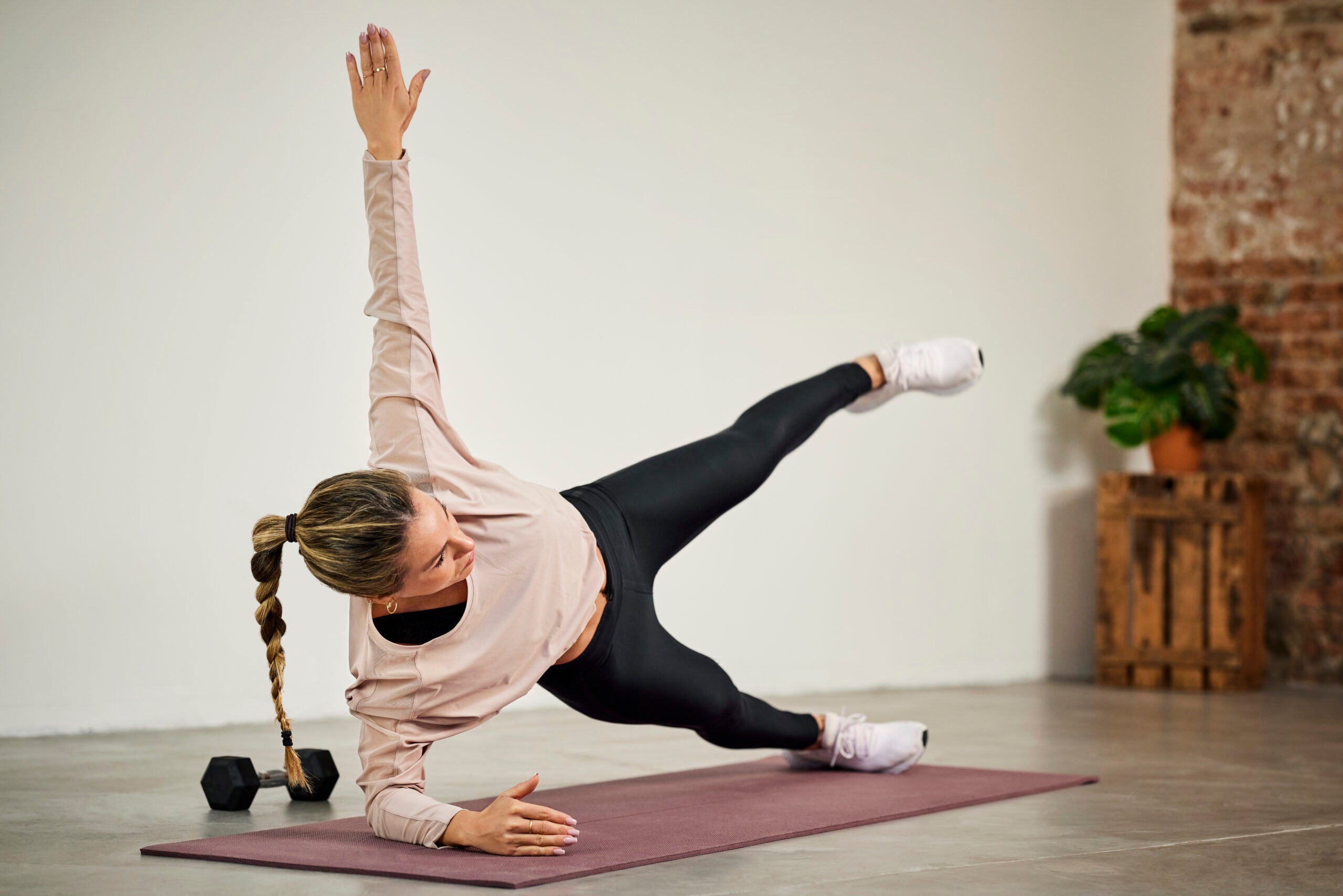
Before embarking on a rigorous conditioning program, athletes must establish a baseline of functional strength. One of the most effective diagnostic tools for skiers is the Side Plank Leg Lift. This assessment is not merely a test of isometric endurance but a focused evaluation of the kinetic chain, specifically the relationship between the obliques, the quadratus lumborum, and the hip abductors (the gluteus medius and minimus).
In a professional setting, this test is used to identify lateral imbalances. For a skier, these imbalances often manifest as a "weak side" when turning, leading to inefficient form and uneven edge pressure.
Execution of the Assessment
The test requires the athlete to lie on their side with the elbow stacked directly beneath the shoulder and the legs aligned. Upon lifting the hips to create a straight line from the cranium to the talus, the athlete must then lift the superior leg to hip height, holding for one second before a controlled descent.
Benchmarking Results
The benchmark for a conditioned skier is the ability to complete five repetitions per side with perfect postural integrity. However, for those aiming for high-performance "charging" in powder or moguls, the target increases to 10 to 15 controlled repetitions. Failure is defined by the collapsing of the shoulder girdle, the sagging of the pelvis toward the floor, or the inability to maintain a stacked vertical alignment of the hips.
A Five-Step Protocol for Off-Season Strength
To address the deficits identified in initial testing, trainers recommend a specific suite of functional exercises. These movements are selected because they mimic the unilateral and lateral demands of the mountain.
1. Lateral Lunges: Building Frontal Plane Robustness
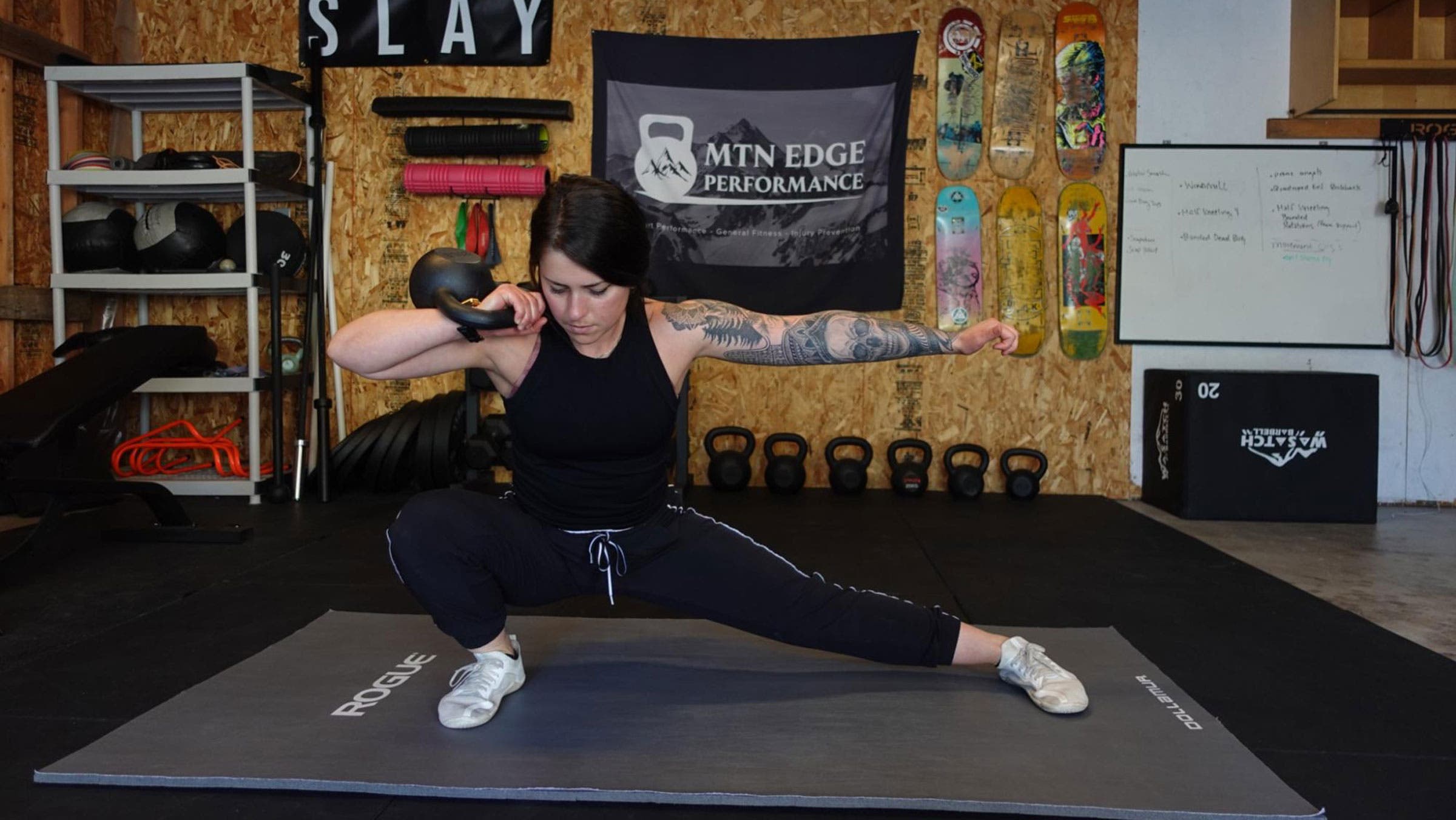
Unlike the traditional forward lunge, the lateral lunge forces the body to move in the frontal plane. This is critical for skiers who must constantly shift their weight from edge to edge.
- The Mechanics: From a standing position, the athlete steps wide to one side, keeping the trailing leg straight while hinging at the hips and bending the lead knee. The chest must remain upright to simulate an active skiing posture.
- Application: This movement strengthens the adductors and abductors, providing the lateral stability necessary to hold a clean edge on icy or steep terrain.
2. Step-Ups: Unilateral Power and Stability
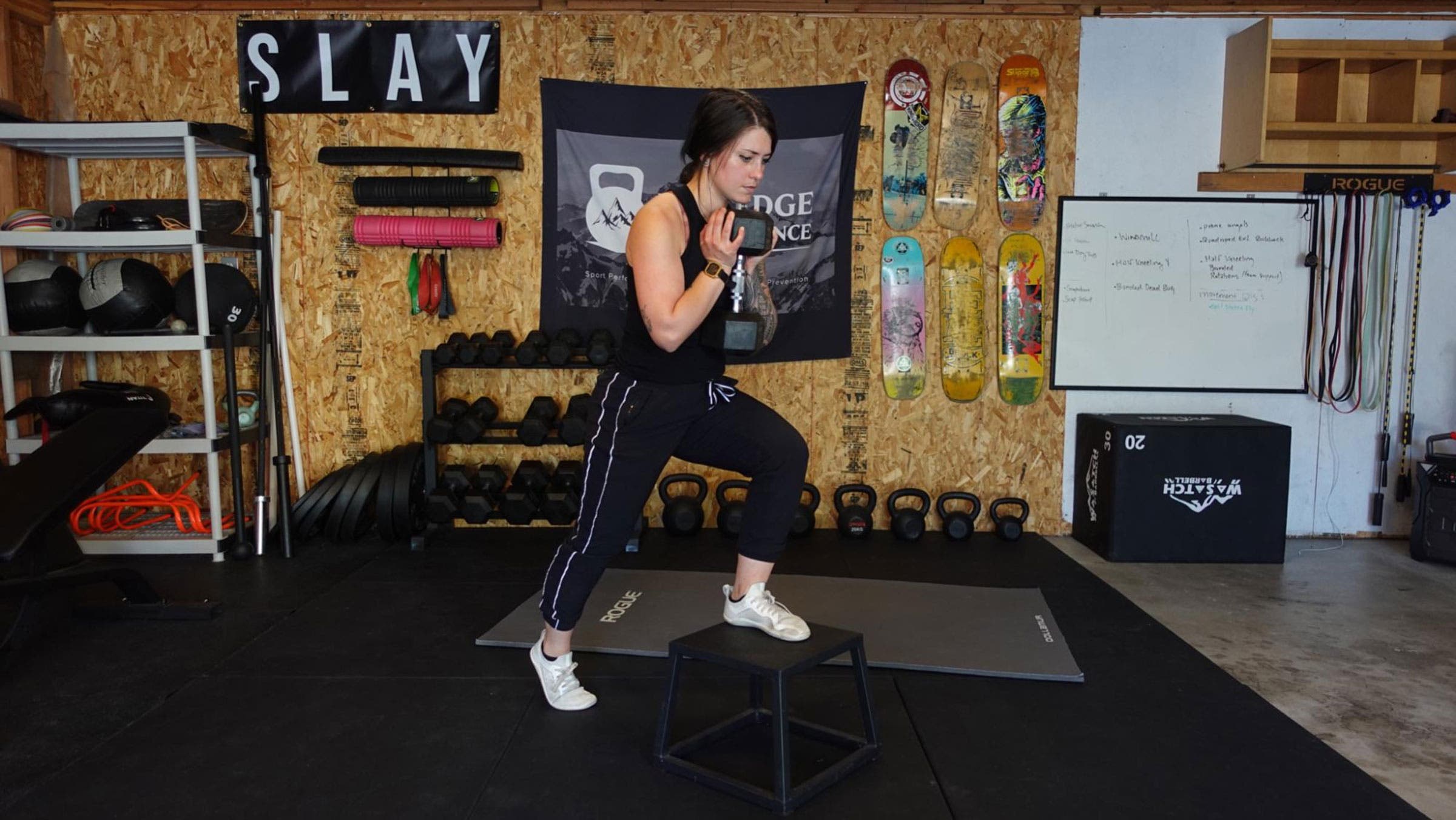
Skiing is essentially a series of unilateral movements; weight is rarely distributed 50/50 between both legs during a turn. Step-ups address this by isolating one leg at a time.
- The Mechanics: Using a box or bench at knee height, the athlete drives through the heel of the lead foot to stand fully, focusing on a slow, three-second descent (the eccentric phase).
- Application: By eliminating strength imbalances between the left and right legs, step-ups ensure that a skier can respond with equal power regardless of the direction of the turn.
3. Gorilla Rows: Posterior Chain Integration
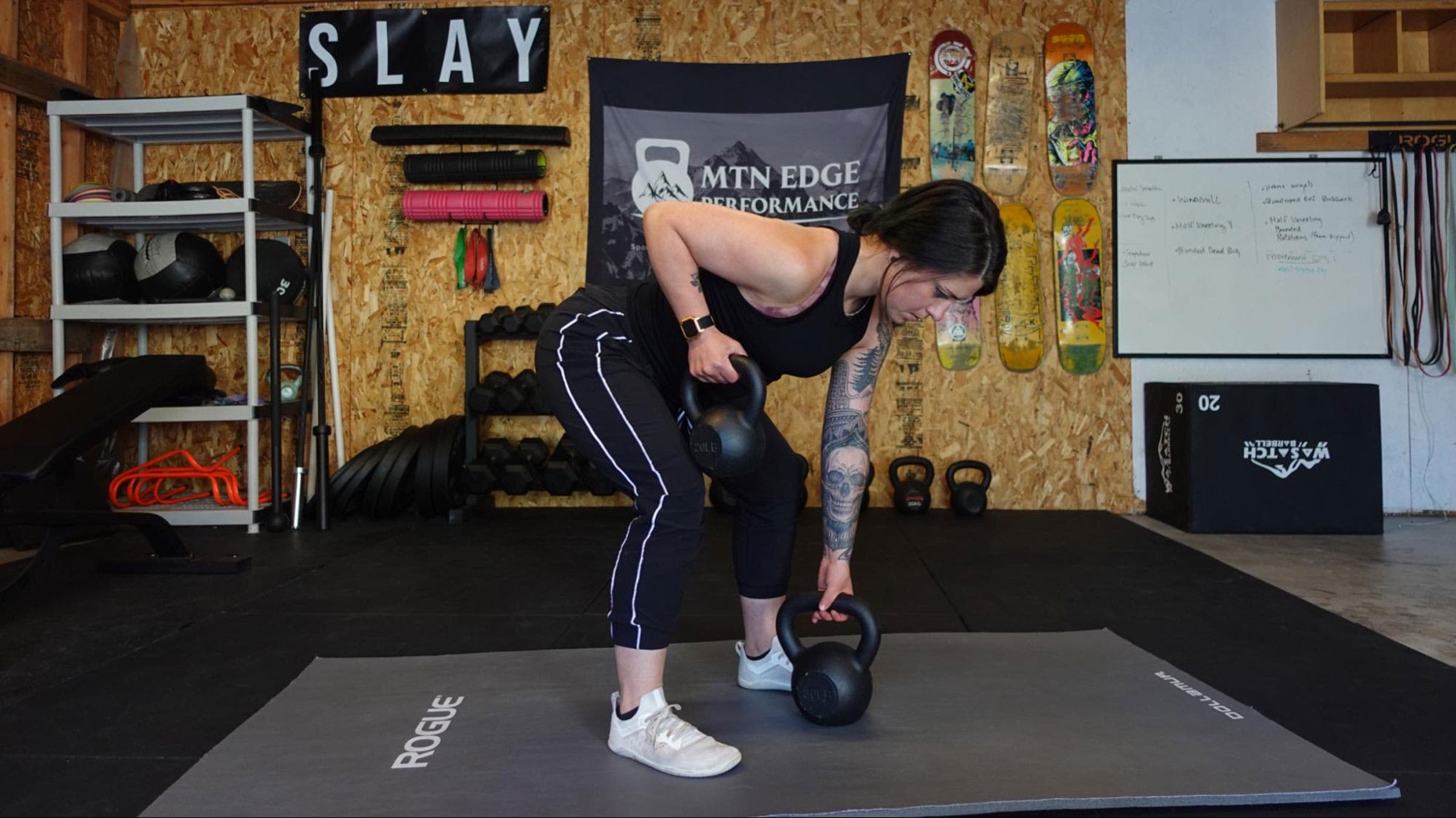
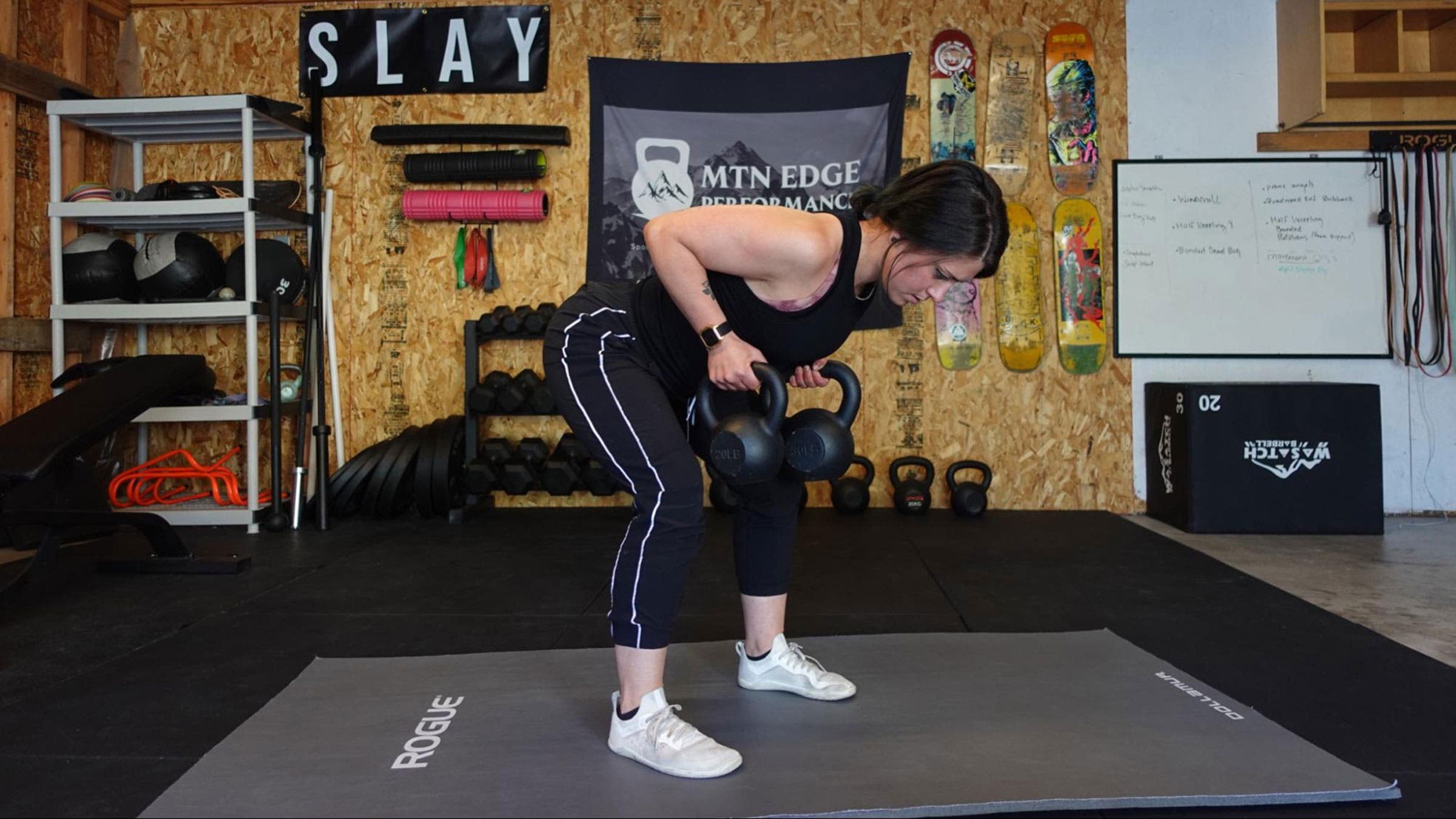
While leg strength is paramount, the "skiing stance" requires a powerful back to absorb the shocks of uneven terrain. The Gorilla Row is a superior choice because it demands a deep hinge position similar to a tuck or an aggressive mogul stance.
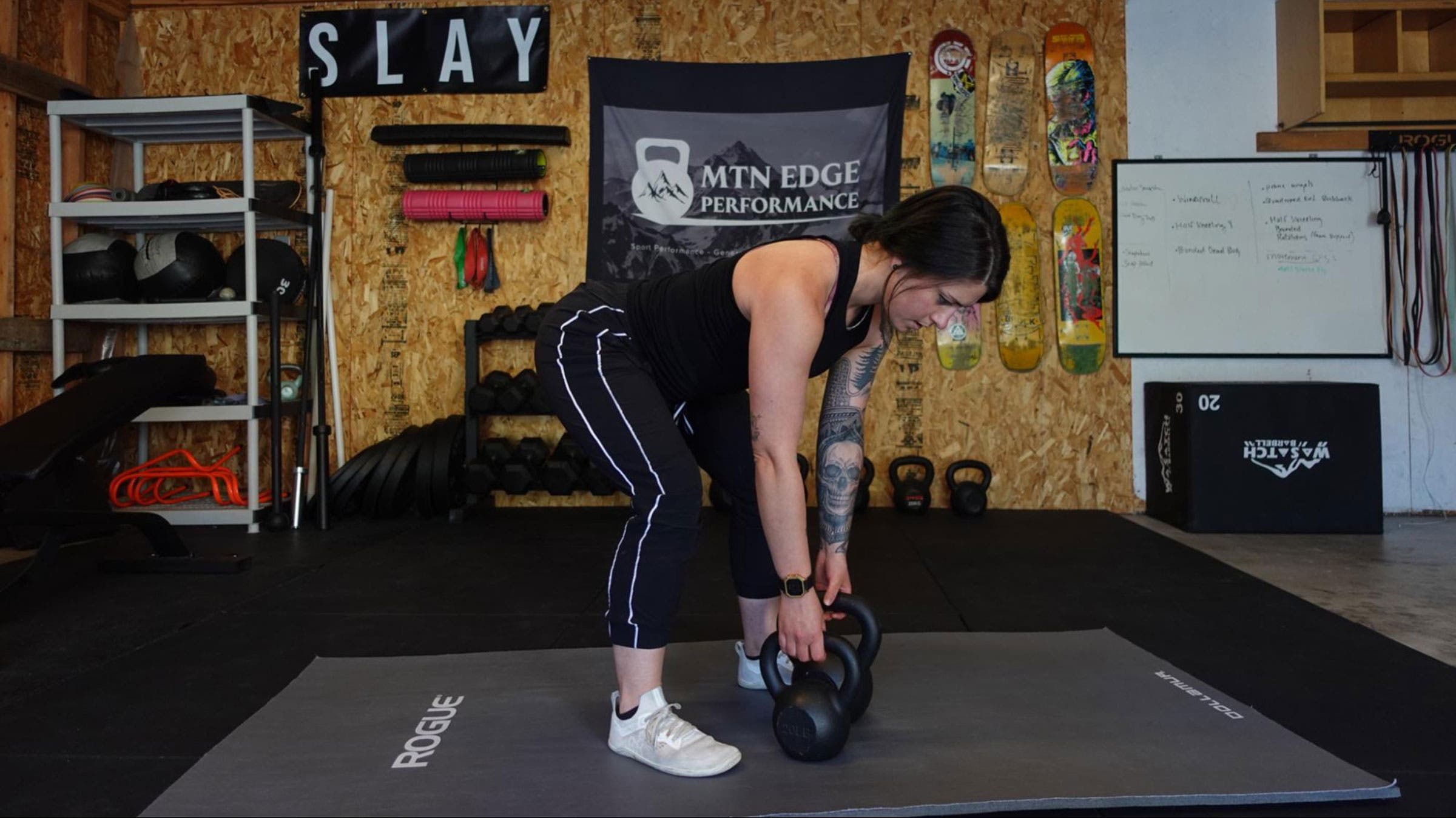
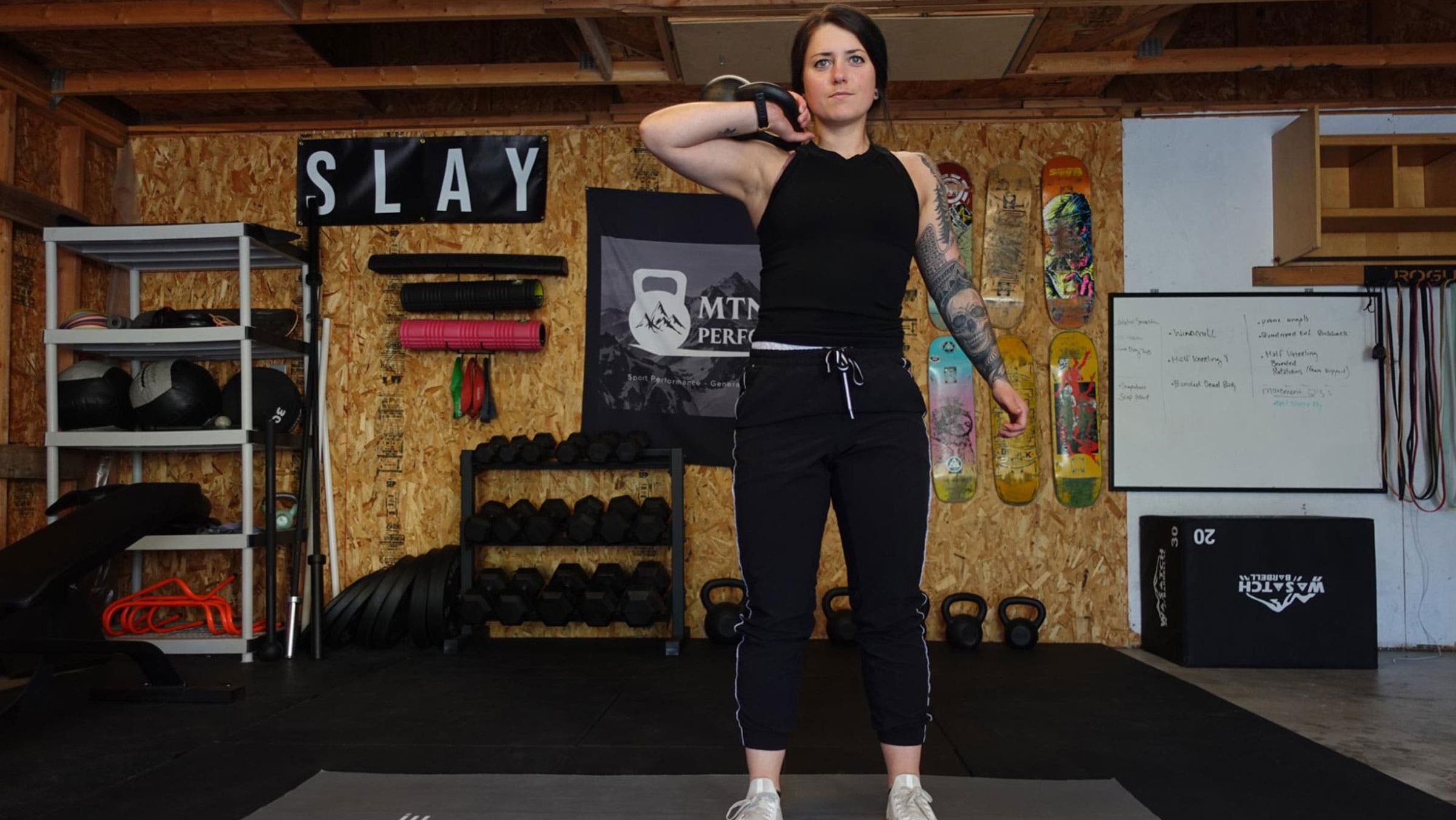
- The Mechanics: Standing with a wide base and two kettlebells on the floor, the athlete hinges at the hips. While maintaining a flat back, they alternate pulling the weights toward the hip, using the floor-bound weight as an anchor for stability.
- Application: This exercise targets the erector spinae and the core, which act as the body’s natural shock absorbers when landing jumps or navigating heavy "mashed potato" snow.
4. Suitcase March: Anti-Lateral Flexion Training
The ability to remain upright while external forces pull the body sideways is known as anti-lateral flexion. This is the primary role of the core during high-speed carving.
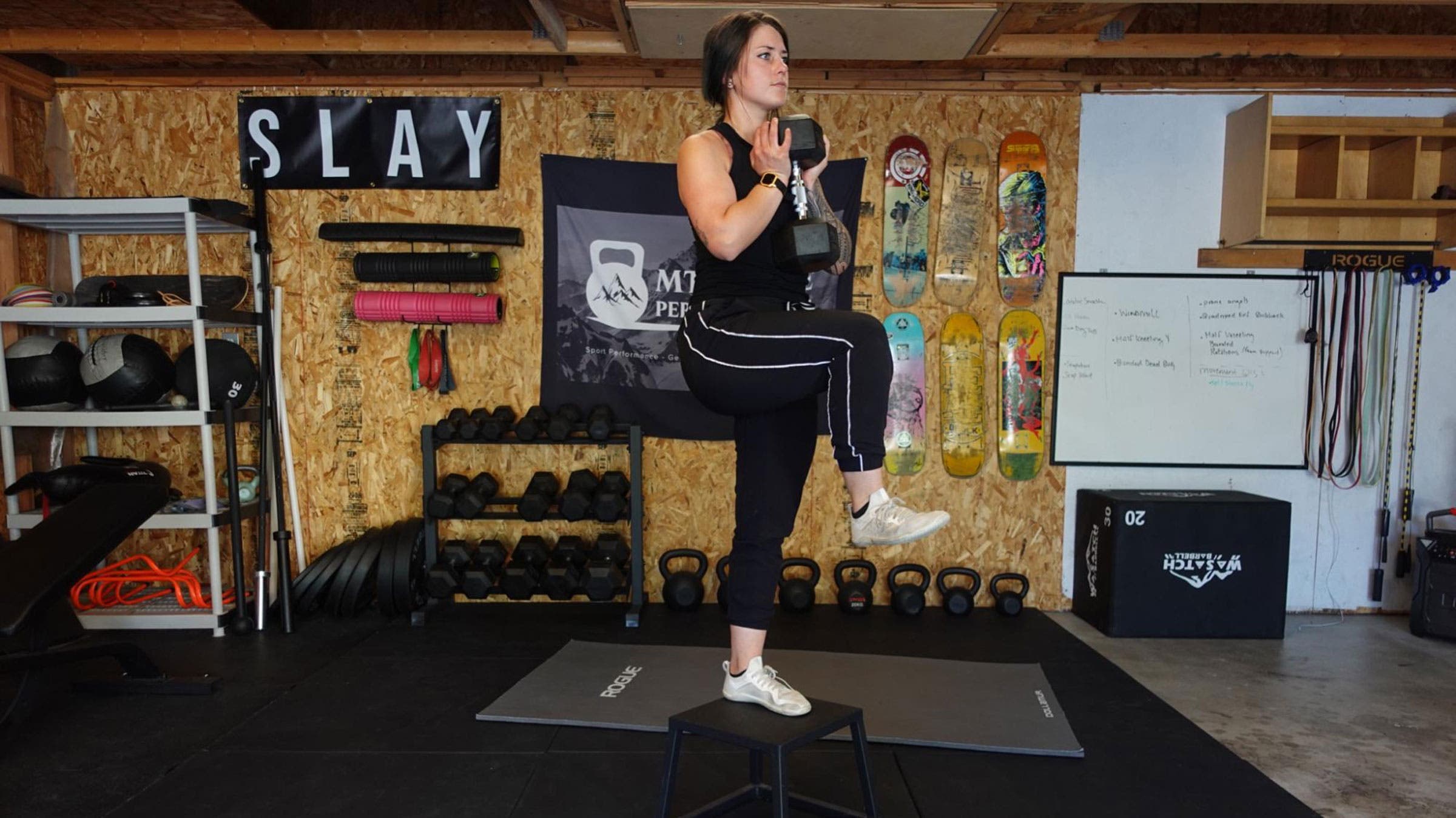
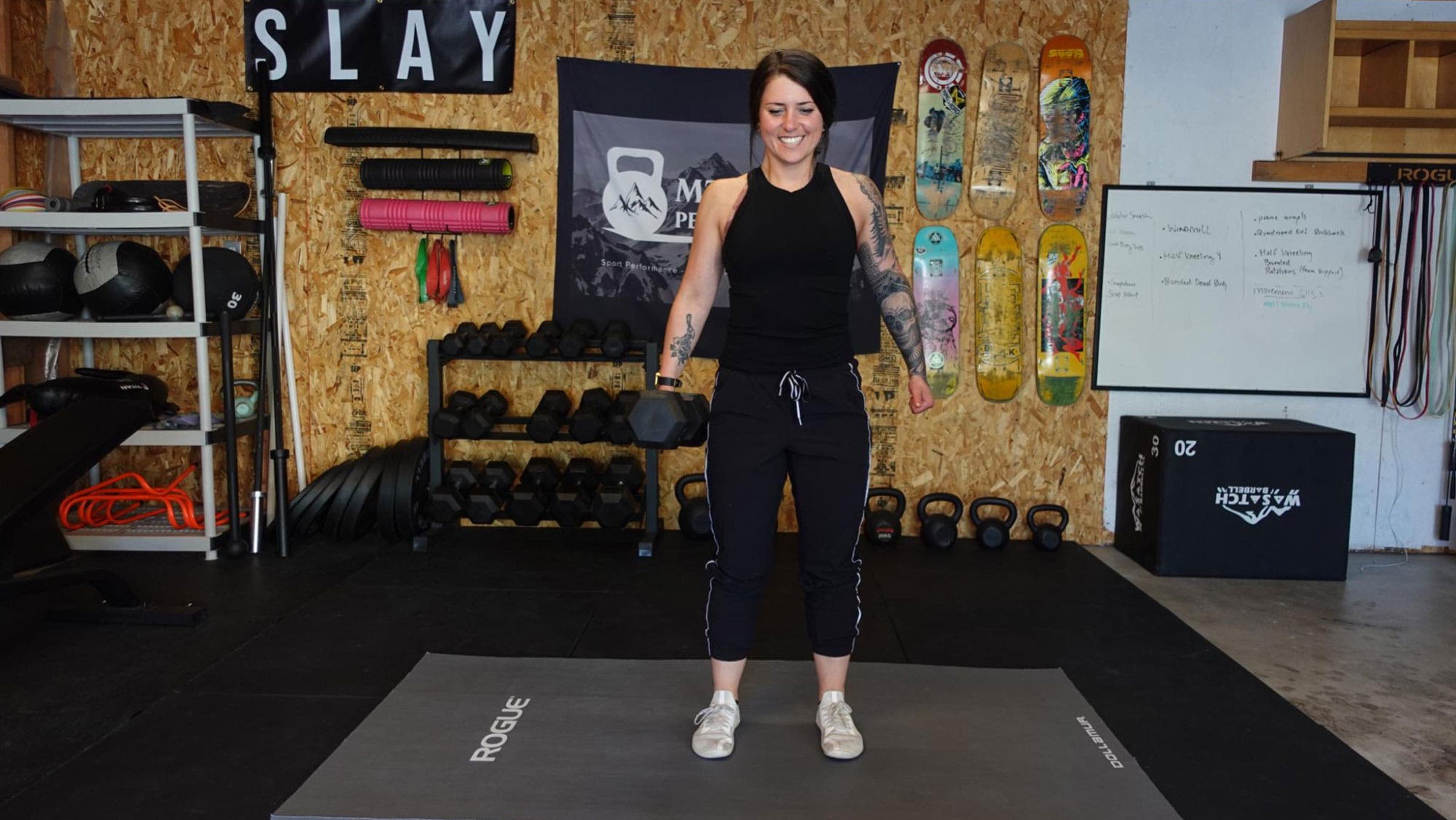
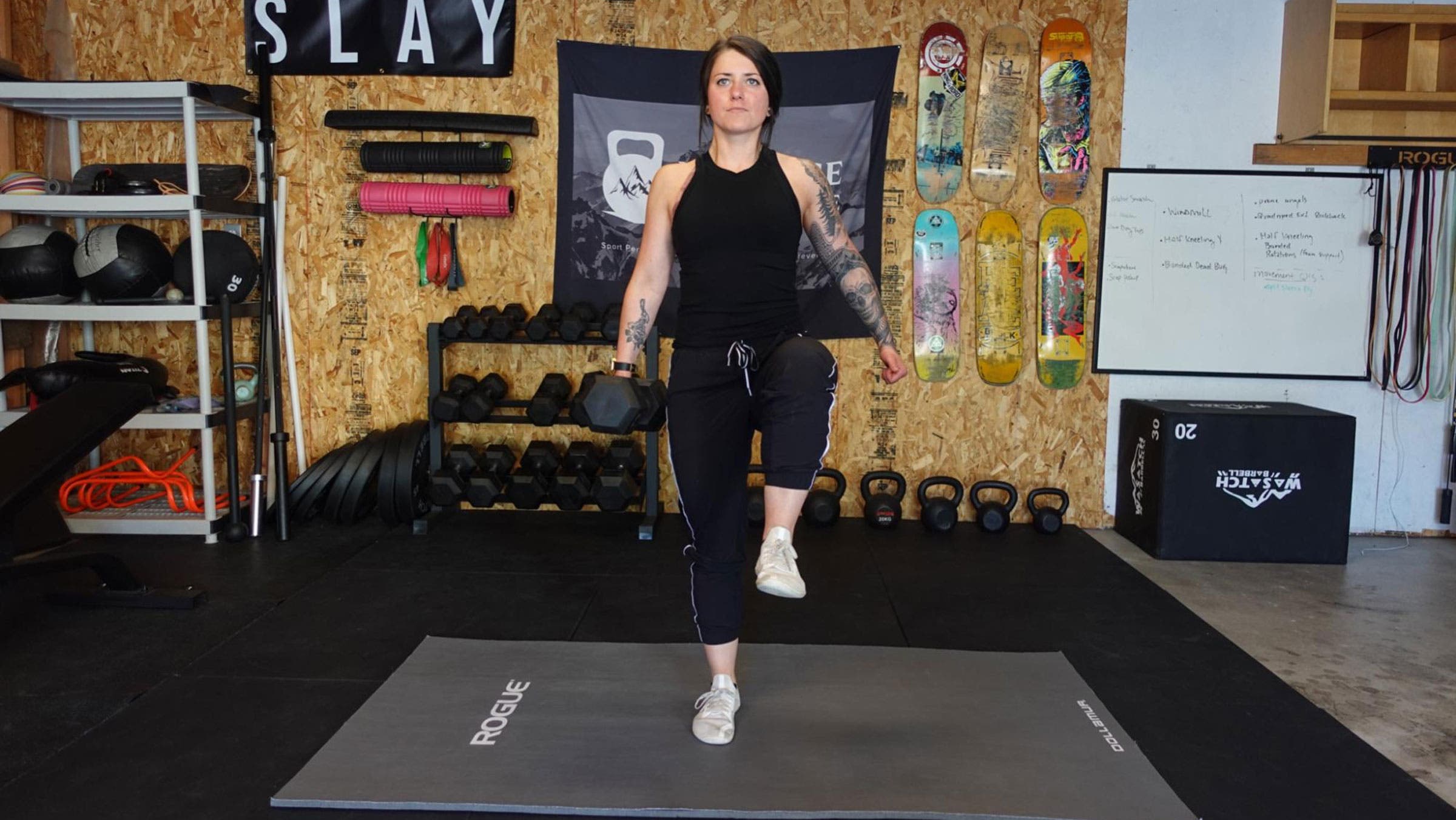
- The Mechanics: Holding a heavy dumbbell in only one hand (like a suitcase), the athlete marches in place, lifting the knees to hip height while keeping the torso perfectly vertical.
- Application: This forces the deep stabilizers of the spine to work overtime to prevent the weight from tilting the body, directly translating to better control when a skier hits an unexpected bump.
5. Plank Pull-Through: Transverse Abdominal Stability
Rotational and anti-rotational strength are the final pieces of the performance puzzle. The Plank Pull-Through challenges the athlete to maintain a rigid core while moving a load across the body’s midline.
- The Mechanics: In a high plank position, the athlete reaches under their chest to grab a dumbbell and pull it to the opposite side, all while preventing the hips from swaying or rotating.
- Application: This mimics the "quiet upper body" technique required in expert skiing, where the legs move independently of a stable, forward-facing torso.
Statistical Context and Injury Prevention
The importance of these exercises is underscored by injury statistics within the sport. According to research published in the Journal of Orthopaedic & Sports Physical Therapy, the knee is the most commonly injured joint in skiing, accounting for approximately 35% of all injuries. Of these, ACL tears are the most frequent and debilitating.
The "Suitcase March" and "Lateral Lunges" are particularly effective at preventing these injuries because they strengthen the musculature surrounding the knee and hip, preventing the "valgus collapse" (the knee caving inward) that often leads to ligament failure. Furthermore, chronic lower back pain affects nearly 20% of frequent skiers; the integration of "Gorilla Rows" and "Plank Pull-Throughs" provides the spinal support necessary to endure long days on the lift.
Chronology of an Effective Training Cycle
A professional-grade conditioning program should follow a periodized timeline to ensure peak fitness by the winter solstice:
- Phase 1: Foundation (April–June): Focus on mobility, flexibility, and correcting imbalances identified during the Side Plank Test.
- Phase 2: Hypertrophy and Strength (July–September): Increase resistance in exercises like Step-Ups and Gorilla Rows to build muscle mass.
- Phase 3: Power and Plyometrics (October–November): Incorporate explosive movements and faster tempos to prepare for the high-velocity demands of the sport.
- Phase 4: Maintenance (December–March): Shift to lower-volume, high-intensity workouts to preserve strength without causing excessive fatigue during the active season.
Expert Analysis: The Shift Toward Functional Fitness
Strength and conditioning specialists emphasize that the "old school" method of simply doing wall sits is no longer sufficient. Modern ski training focuses on "functional movement patterns" rather than isolated muscle groups. By engaging the core simultaneously with the lower body—as seen in the Suitcase March—athletes develop a nervous system that is better "wired" for the complex, multi-joint movements required on the mountain.
Statements from professional ski instructors often highlight that technical skill can only take a skier so far; eventually, the physical "ceiling" of their fitness will limit their ability to progress to steeper or more technical terrain. Therefore, off-season training is not just a safety measure; it is a prerequisite for athletic advancement.
Broader Implications for Longevity in the Sport
Beyond the immediate benefits of a single season, consistent off-season conditioning has significant implications for the longevity of the skiing population. As the "Baby Boomer" generation continues to ski into their 70s and 80s, the maintenance of bone density through weighted exercises like Step-Ups and the preservation of balance through core work become essential.
Ultimately, the transition from a "seasonal skier" to a "year-round athlete" represents a shift in the culture of mountain sports. As equipment technology continues to allow for faster speeds and more aggressive maneuvers, the human element—the physical body—must be upgraded in tandem. Through diligent assessment and the implementation of targeted functional exercises, skiers can ensure that they remain as resilient and powerful as the mountains they seek to conquer.

