
As the autumn season transitions cooler weather into winter forecasts, athletic coordinators, sports medicine specialists, and alpine skiing communities pivot their focus toward crucial preseason preparation. Approaching the winter sports calendar without targeted physiological conditioning significantly elevates the risk of acute musculoskeletal trauma, chronic joint stress, and premature muscular exhaustion. Epidemiological data underscores the necessity of this preparatory phase. A comprehensive longitudinal study conducted in Sweden focusing on alpine ski academy students demonstrated that structured preseason neuromuscular conditioning programs successfully reduced anterior cruciate ligament (ACL) injuries by nearly fifty percent over a two-year observational window. These findings validate the sports medicine consensus that structural resilience must be established long before the first major snowfall.
Physiological Demands and Injury Mitigation
Alpine skiing places extraordinary biomechanical demands on the human body, requiring a complex synthesis of eccentric quadriceps strength, core stability, dynamic balance, and cardiovascular endurance. Forces exerted during high-speed carving, navigating variable snow conditions, and absorbing terrain transitions subject the lower extremities to multi-planar stress. Sports orthopedic surgeons emphasize that the vast majority of non-contact knee injuries, particularly ACL tears, occur due to dynamic malalignment, neuromuscular fatigue, or insufficient core stabilization during sudden deceleration and rotational movements.
To counteract these vulnerabilities, athletic trainers recommend initiating structured conditioning protocols at least eight to twelve weeks prior to the opening of the ski season. This timeframe allows the musculoskeletal system to undergo necessary hypertrophic and neuromuscular adaptations. The primary objectives of a comprehensive fall training regimen include enhancing cardiorespiratory capacity to sustain high-intensity efforts at altitude, strengthening posterior chain and core musculature to protect the lumbar spine and knees, and refining proprioceptive pathways responsible for balance and edge control.
Uphill Slope Hiking and Vertical Training
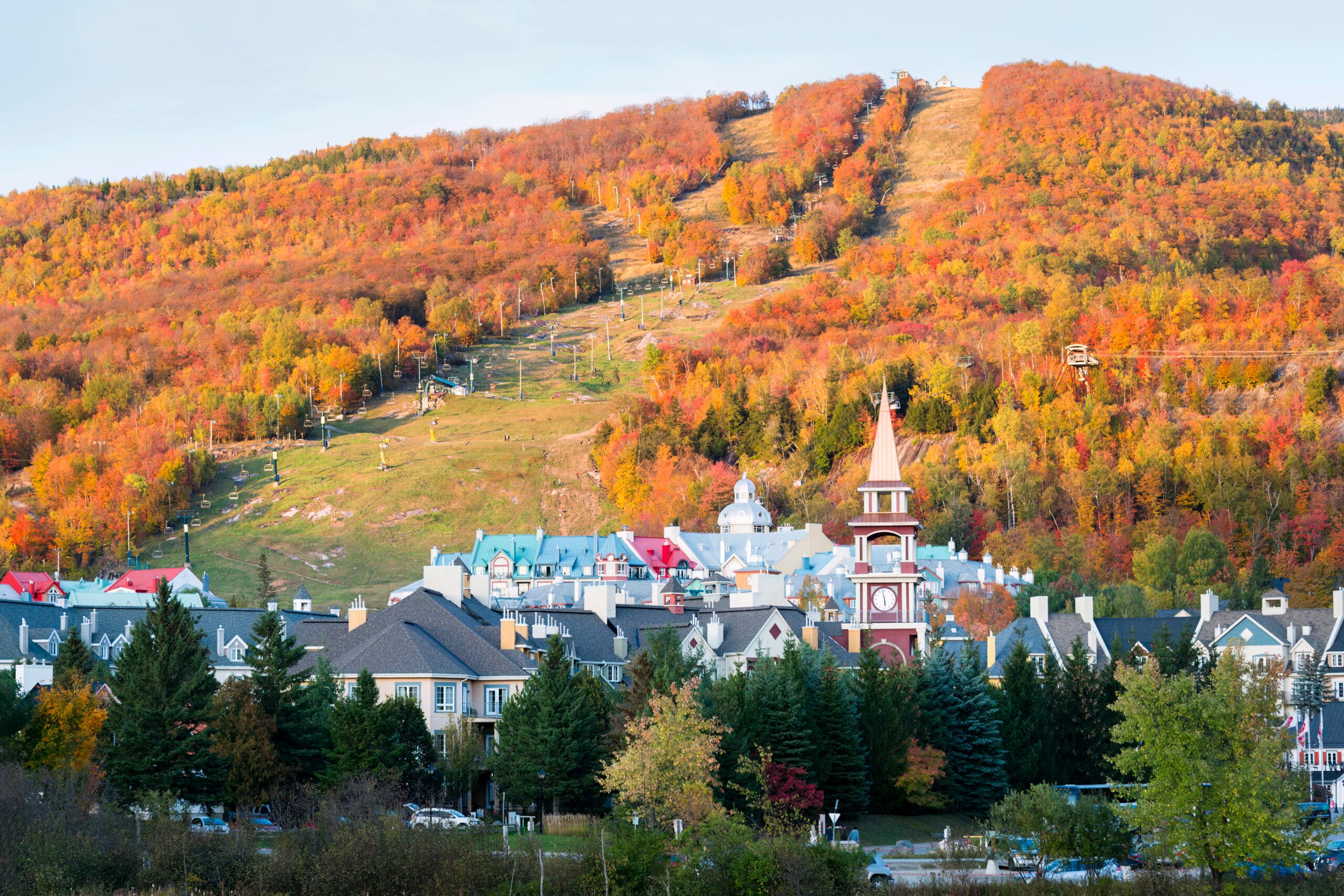
For athletes residing in mountainous regions, hiking up ski resort trails or natural alpine inclines offers an exceptionally specific form of preseason preparation. Ascending steep grades mimics the physical profile of ski touring and mountaineering while forcing the cardiorespiratory system to adapt to elevated heart rates.
The physiological impact of vertical hiking centers on eccentric and concentric loading of the lower limbs. While the ascent heavily recruits the gluteal muscles, hamstrings, and calves, descending challenges the quadriceps through eccentric contractions that closely mirror the muscle firing patterns required during alpine descents. Sports scientists note that incorporating loaded carries—such as wearing a weighted vest to simulate the distribution of an avalanche safety pack—further enhances core engagement and spinal stabilization. Beyond the physical conditioning, outdoor vertical training provides psychological benefits, allowing athletes to mentally rehearse winter descents while navigating variable terrain under crisp autumn conditions.
Mountain Biking and Edge Control Integration
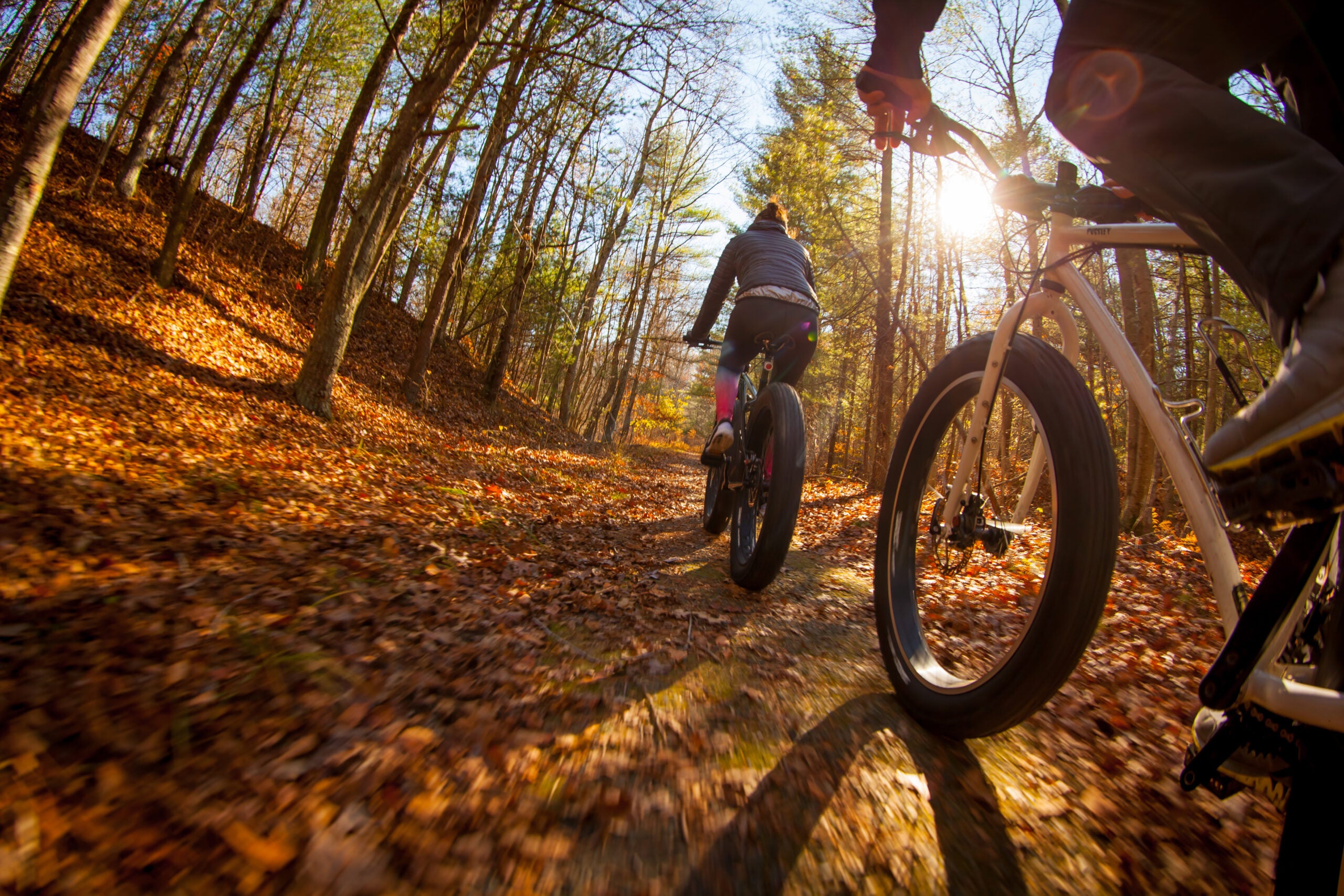
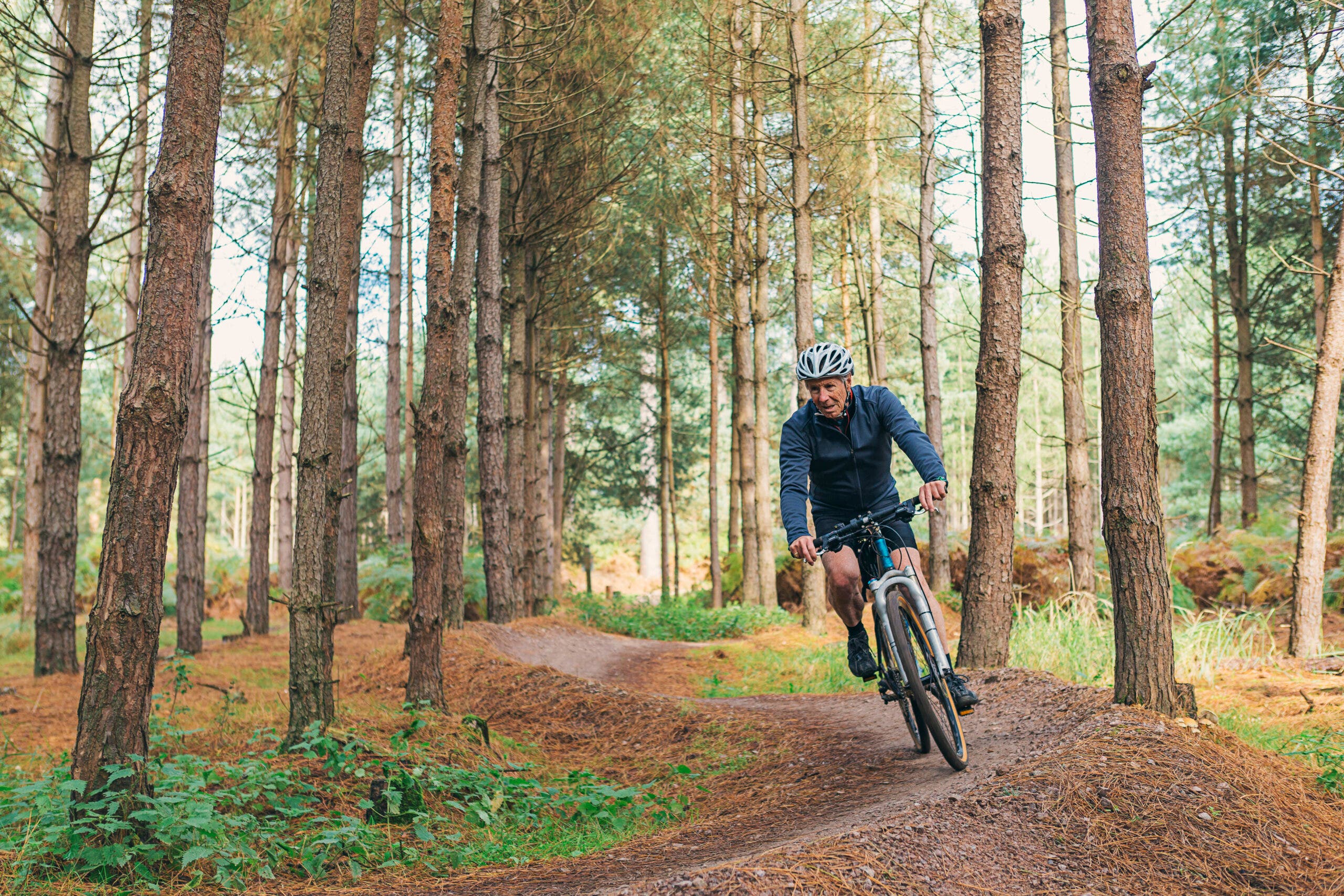
Mountain biking has long served as a staple cross-training activity for elite and recreational skiers alike due to its striking biomechanical parallels to alpine skiing. The sport demands continuous tactile feedback, dynamic weight distribution, and rapid decision-making regarding line choice and speed control.
Navigating loose dirt, gravel, and technical switchbacks requires precise edge control and lateral balance, directly translating to the mechanics of carving skis on hardpack or variable snow. Furthermore, the sustained aerobic and anaerobic output required during long climbs and undulating descents builds robust cardiovascular endurance. For athletes with limited access to mountainous terrain, indoor cycling facilities offer specialized off-road spin classes designed to replicate high-intensity intervals and muscular endurance demands. Incorporating e-bikes into training regimens has also gained traction, enabling athletes to increase their total volume of vertical climbing and extend training sessions without excessive joint wear.
Via Ferrata Ascents for Core and Grip Strength
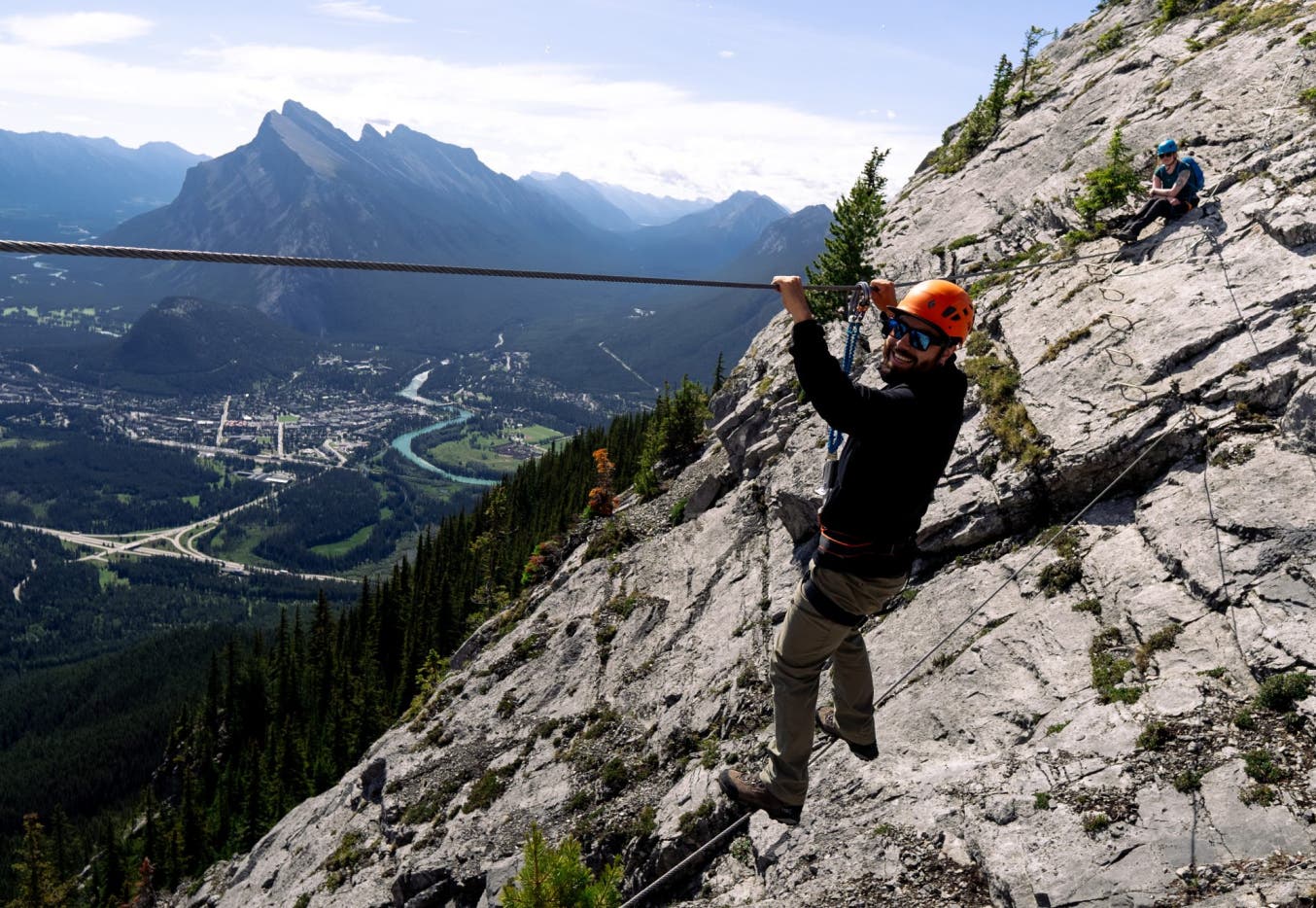
Originally popularized in the Italian Dolomites—the geographical backdrop for upcoming international winter competitions—via ferrata routes have expanded globally across North America, appearing in both rugged alpine environments and urban settings. These protected climbing routes require participants to traverse dramatic rock faces utilizing fixed cables, iron rungs, and suspension bridges.
From a conditioning perspective, via ferratas provide a comprehensive test of upper body endurance, grip strength, core stability, and psychological focus. Maintaining stability across exposed vertical terrain forces the deep stabilizer muscles of the torso and lower back to work in continuous coordination with the extremities. Sports medicine professionals highlight that core engagement is paramount for skiers, as it dictates the ability to maintain upper-lower body separation during high-speed turns. Incorporating via ferrata excursions into a fall schedule challenges proprioception and builds the muscular endurance necessary to manage fatigue late in a ski day.
Altitude Trail Running and Cardiovascular Conditioning
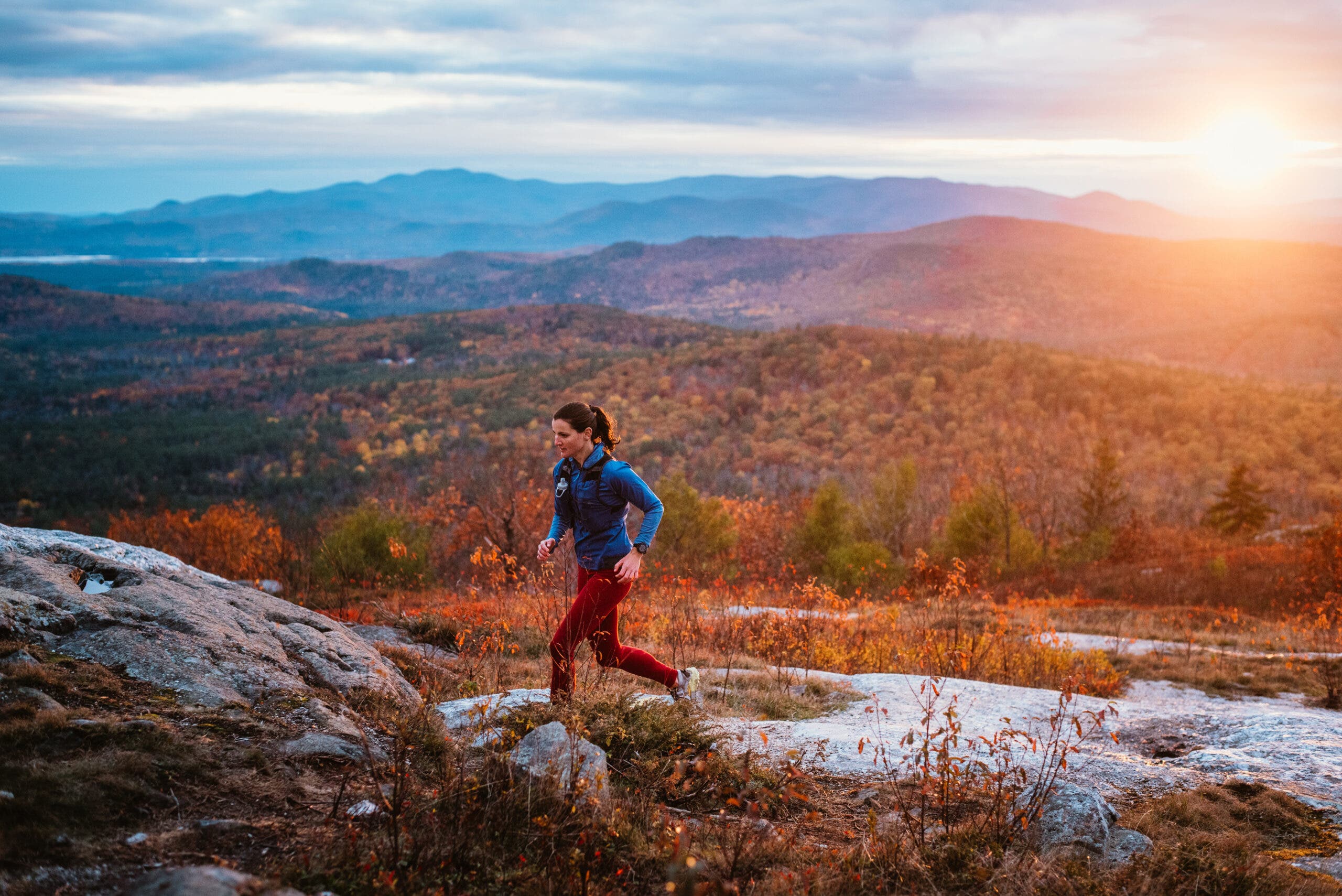
Cardiorespiratory efficiency remains a cornerstone of injury prevention and performance optimization on the snow. Trail running on uneven, high-elevation surfaces forces the cardiovascular system to adapt to reduced oxygen availability while demanding constant micro-adjustments from stabilizing muscles in the ankles, knees, and hips.
Unlike predictable road running, trail running introduces roots, rocks, and changing gradients that stimulate neuromuscular pathways responsible for dynamic balance. Athletes who transition their running routines to hilly alpine trails during September and October report significant improvements in aerobic thresholds. For individuals residing at sea level, replicating these conditions on treadmills with adjustable inclines provides a viable alternative to maintain high-intensity cardiovascular conditioning and prepare the body for the physiological stressors of high-altitude resorts.
Indoor Ski Simulators and Technological Advancements
Urban populations and skiers lacking immediate access to natural vertical terrain increasingly rely on indoor training facilities, ski simulators, and revolving artificial slopes. Modern indoor centers utilize advanced technological platforms, including infinite slope systems with adjustable speeds and variable inclines, alongside interactive kinetic simulators.
These controlled environments allow athletes to isolate and refine specific technical movements—such as edge transitions, angulation, weight shifting, and upper-lower body separation—without the variables of weather, visibility, or lift lines. Biomechanical analysis indicates that repetitive training on ski simulators enhances muscular endurance in the primary muscle groups utilized during carving. While these facilities do not fully replicate the unpredictable nature of natural snowpack, they offer an efficient, high-volume training medium to calibrate muscle memory and ensure baseline physical preparedness prior to hitting the mountain.
Broader Industry Implications and Public Health Impact
The growing emphasis on structured preseason conditioning reflects a broader shift within the winter sports industry toward proactive injury prevention and longevity in athletic participation. Resorts, sports medicine clinics, and athletic apparel brands increasingly promote fall training as an essential component of the skier’s annual calendar, aiming to reduce the societal and economic costs associated with severe knee and shoulder trauma.
Healthcare economists and orthopedic researchers note that widespread adoption of neuromuscular warm-ups and targeted off-season conditioning protocols significantly lowers emergency room admissions during peak winter holiday periods. By investing time in cardiovascular endurance, strength training, and balance acquisition during the autumn months, skiers across all age brackets—from competitive youth athletes to seasoned veterans maintaining their regimen into their sixth and seventh decades—can secure a safer, more sustainable, and highly rewarding winter sports experience.

