
The physical toll of elite snow sports has long been accepted as an inevitable byproduct of mountain culture, where the euphoria of powder days frequently trades off against long-term musculoskeletal health. Newton’s third law of physics dictates that every action has an equal and opposite reaction; in the realm of alpine skiing, the high-impact kinetic forces absorbed by the body often manifest years later as chronic joint pain, spinal stiffness, and debilitating muscle imbalances. However, recent developments in sports science and physical conditioning are challenging this paradigm. A growing consensus among fitness professionals and mountain athletes indicates that structured weight training can systematically mitigate these occupational hazards, offering a viable pathway to extend athletic longevity well into middle age and beyond.
For decades, the dominant recovery and preparation paradigm for recreational and professional skiers alike centered on cardiovascular conditioning, flexibility routines, yoga, and foundational core work such as planks and sit-ups. While these practices offer notable benefits for mobility and general wellness, orthopedic specialists and strength coaches increasingly argue that they fail to address the core physiological root of ski-related injuries: profound muscular imbalances.
The Anatomy of Alpine Trauma and Muscle Imbalances
The biomechanics of skiing demand an extraordinary level of dynamic stabilization, primarily driven by the upper body’s rotational movements while the lower extremities absorb variable terrain. According to fitness experts, the human anatomy—particularly for individuals with sedentary desk-bound occupations—is not inherently evolved for the specific, asymmetrical lateral loads required by alpine skiing, skateboarding, or prolonged sitting.
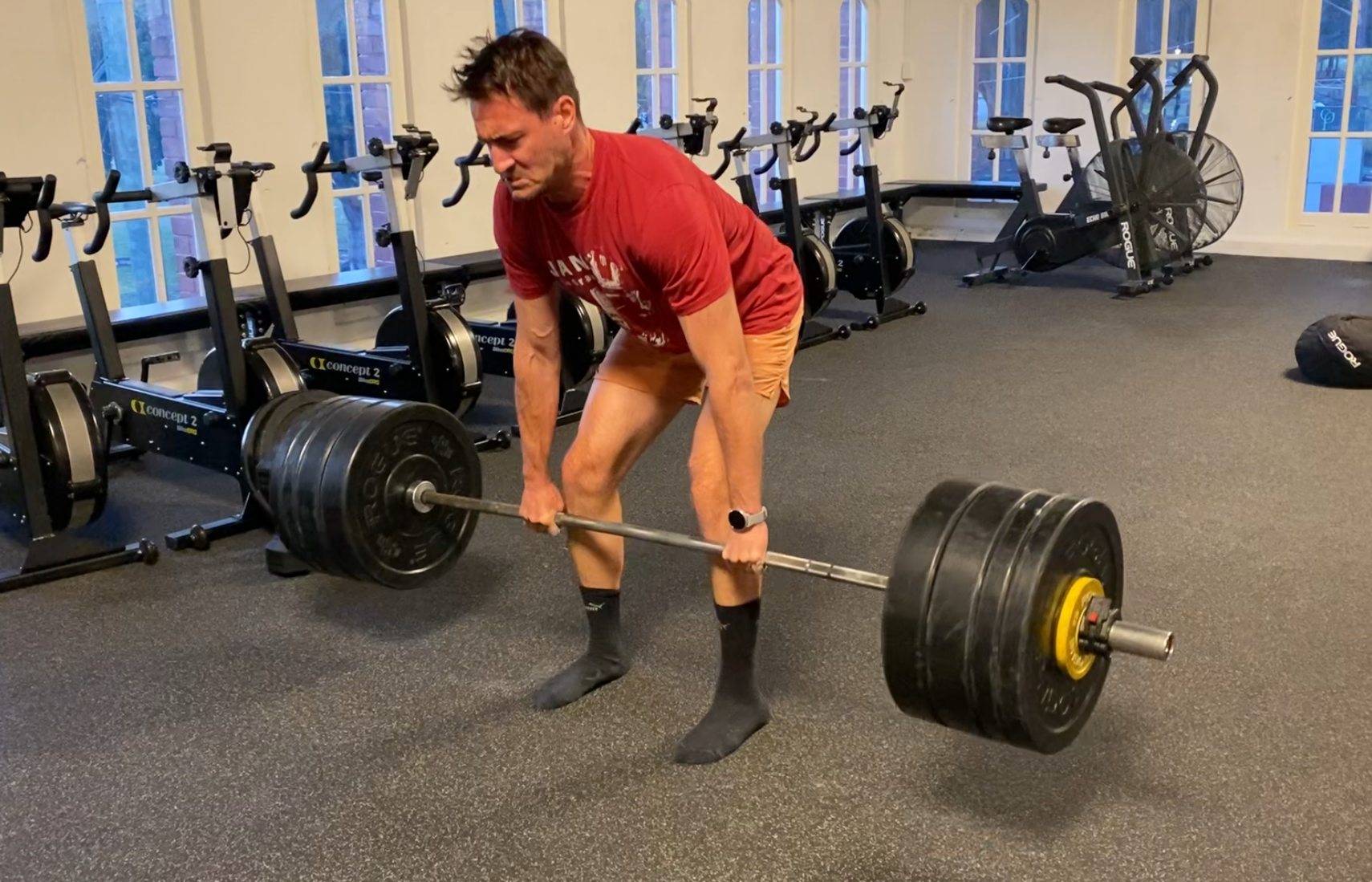
Franco Morris, Head of Program Delivery at a Sydney-based training facility, notes that genetic predispositions and modern sedentary lifestyles leave many athletes structurally vulnerable.
"We’re not evolved for what we do, whether that’s skiing, skateboarding, or, as is more often the case, sitting," Morris explains. As individuals age, natural physiological declines exacerbate these vulnerabilities. "Our muscles become less malleable and responsive as we get older, making them more susceptible to tears and other injuries."
For tall athletes or those with specific anthropometric traits—such as a high center of mass, broad shoulders, and relatively narrow hips—the mechanical disadvantage is magnified. During aggressive descents, the upper body continuously shifts and rotates, forcing the lower back to bear excessive stabilization loads without sufficient engagement from the gluteal muscles and posterior chain. Over time, this chronic overload leads to micro-trauma, joint inflammation, and acute episodes such as lower back spasms, which occur when fatigued muscles contract forcefully to prevent further spinal injury.
A Chronology of Physical Degradation and Intervention
The trajectory from recreational skiing to chronic pain typically follows a predictable timeline:
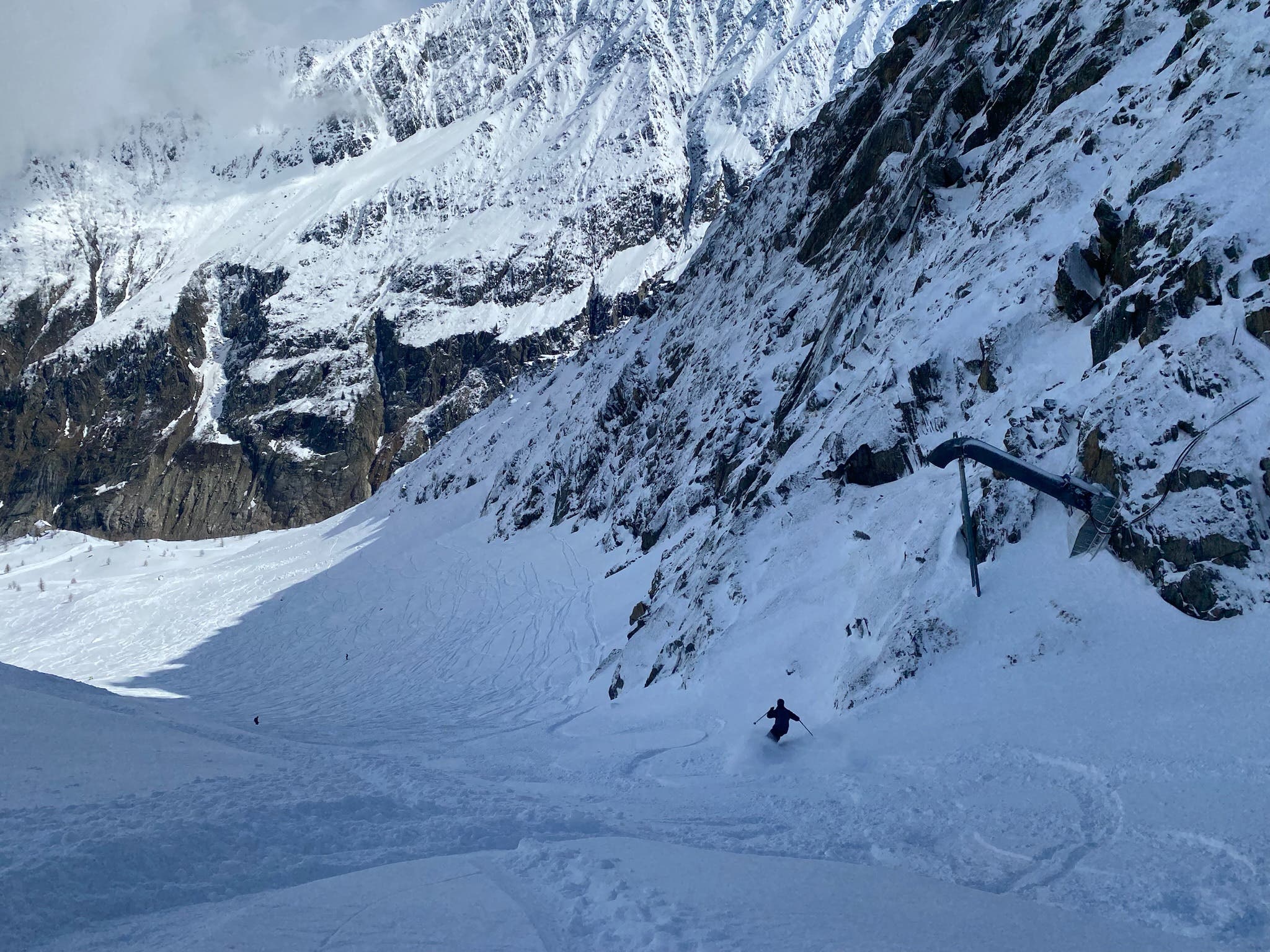
- The Early Years (Ages 18–25): High neuromuscular resilience allows athletes to absorb high-impact crashes and repetitive strain with minimal immediate consequence. Muscular fatigue is quickly reversed with basic rest.
- The Transition to Sedentary Careers (Ages 25–30): Professional obligations often transition individuals into desk-bound environments, initiating a gradual atrophy of the posterior chain, hamstrings, and glutes.
- The Threshold of Failure (Ages 30–35): Cumulative micro-traumas combine with normal physiological aging. Without targeted intervention, athletes frequently experience acute spinal episodes, chronic lumbar aching, and joint degradation, often forcing a premature reduction in skiing frequency or complete cessation of the sport.
- The Strength Training Intervention (Post-Age 35): The incorporation of periodized resistance training shifts the physiological baseline, restoring structural integrity, enhancing bone mineral density, and reestablishing neuromuscular balance.
Empirical Evidence and Physiological Implications
The integration of resistance training into a skier’s routine yields measurable clinical and performance benefits. Beyond merely alleviating chronic pain, targeted weight training directly influences skeletal health.
"Building muscle promotes bone density, as well as adding cushioning tissue around bones," Morris notes. This dual mechanism is critical for alpine athletes, as increased bone mineral density reduces the severity of fractures resulting from high-speed falls, while hypertrophied supporting musculature acts as a natural shock absorber for articular cartilage in the knees, hips, and spine.
Furthermore, sports medicine data consistently demonstrates that resistance training programs emphasizing the posterior chain—comprising the hamstrings, glutes, erector spinae, and calves—significantly lower the incidence of anterior cruciate ligament (ACL) tears and lower back pathologies. By correcting imbalances between dominant anterior muscle groups (such as the quadriceps) and neglected posterior stabilizers, athletes achieve a more neutral pelvic alignment and superior force distribution during dynamic turns.
Practical Frameworks for Mountain Athletes
Transitioning from traditional snow sports conditioning to a structured resistance program requires specific methodological adjustments to avoid exacerbating existing vulnerabilities. Industry professionals recommend several foundational principles for athletes adopting weight training later in life:
Professional Supervision and Periodization
Given the complexity of compound lifts and the presence of pre-existing injuries, working with qualified strength and conditioning coaches is strongly advised. Group training models have increasingly made professional oversight financially accessible, allowing athletes to receive individualized biomechanical corrections within a structured environment. Trainers ensure that exercise selection aligns with an individual’s specific structural limitations, minimizing the risk of re-injury.
Posterior Chain Dominance
To counteract the anterior-dominant positioning inherent to skiing (where athletes often remain flexed forward at the hips and knees), programs must prioritize posterior chain development. Essential movements include:
- Deadlifts: Engage the entire posterior chain, reinforcing neutral spinal alignment under load.
- Kettlebell Swings: Train explosive hip-hinge mechanics, emphasizing glute activation over arm elevation.
- Barbell Hip Thrusts: Isolate and strengthen the gluteal complex, providing critical pelvic stability.
- Barbell Step-Ups: Build unilateral leg strength and stability, directly translating to balanced edge control on uneven terrain.
Volume Over Maximal Load
Unlike powerlifters or bodybuilders seeking maximal hypertrophy, alpine skiers function primarily as endurance athletes navigating variable environments. Consequently, training protocols should favor higher repetition ranges (e.g., 8 to 12 repetitions at moderate intensity) over maximal 1-rep-max attempts. This approach builds muscular endurance, tendon resilience, and neurological coordination without adding superfluous upper-body mass that could negatively alter center of mass dynamics on the mountain.
Strategic Movement Selection
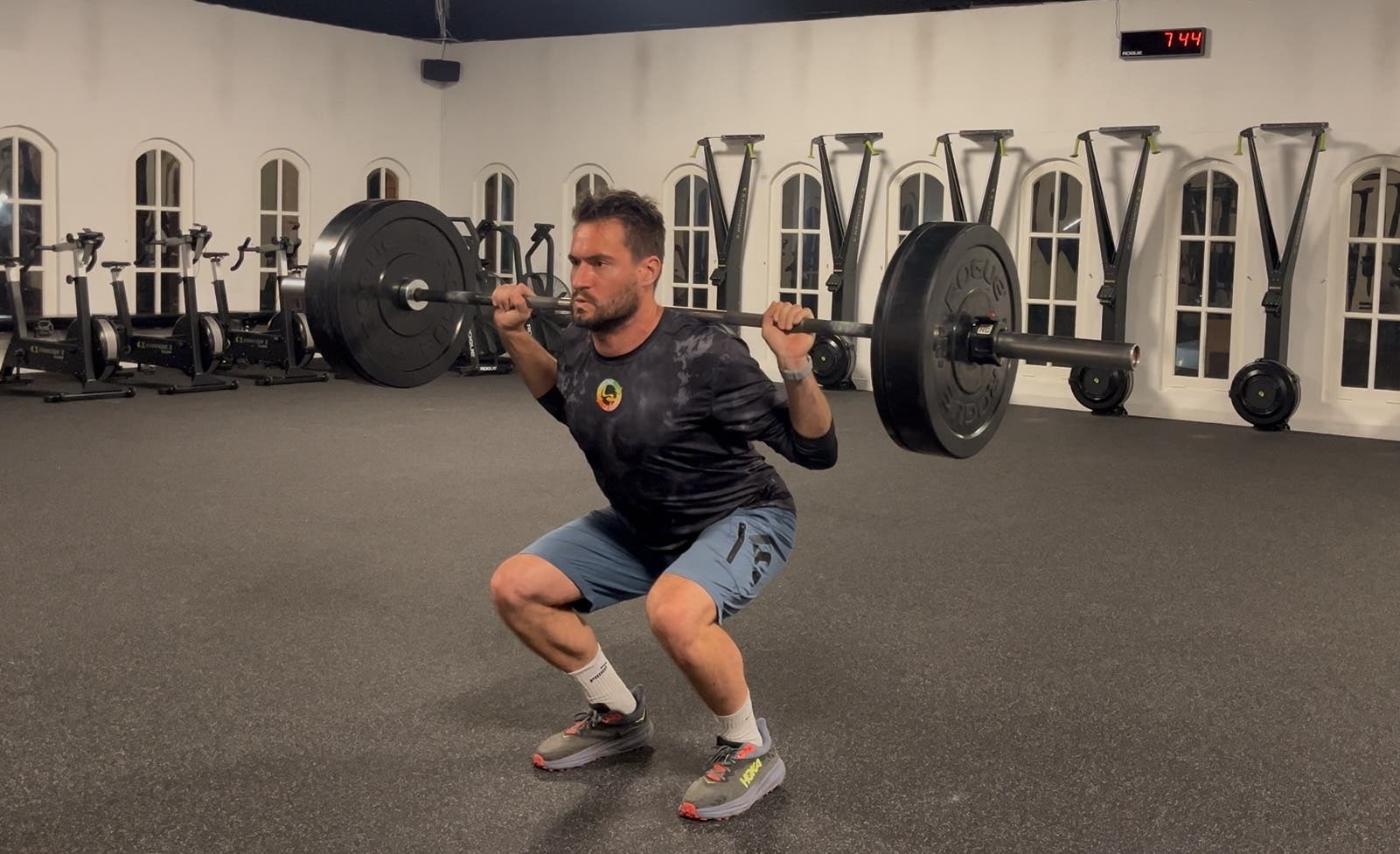
While traditional back squats remain a staple for quad and glute development, athletes with chronic lumbar issues must carefully weigh the compressive spinal loads of axial-loaded bar placements against alternative movements. Utilizing front squats, goblet squats, or split-stance variations can often achieve identical muscular adaptations with significantly reduced spinal shear stress.
Broader Impact on Mountain Culture and Longevity
The cultural shift toward resistance training among aging alpine athletes reflects a broader evolution in outdoor sports medicine. Historically characterized by a subculture of reckless endurance and a stoic acceptance of physical decline, ski towns are seeing a demographic transition. As the population of active participants ages, the demand for evidence-based injury prevention and longevity-focused conditioning has surged.
By reframing weight training not as an aesthetic pursuit, but as essential structural maintenance, mountain athletes are successfully redefining the physical limits of aging. The data indicates that implementing a disciplined, professionally guided resistance program can reverse years of muscular atrophy, eliminate chronic pain syndromes, and add decades of active participation to an athlete’s career. For an industry built on the pursuit of vertical descent, the integration of heavy resistance training provides the ultimate counterweight to the ravages of time and gravity.

